Cleaning Supplies Organization: Caddy, Cabinet, and Closet Setups
For years our cleaning supplies were scattered across 4 different locations. Under the kitchen sink, under the bathroom sink, in the laundry room, in the garage. To clean any room, I excavated and gathered. Often I gave up.
The fix was a portable caddy plus one centralized storage location. The whole cleaning process became 50% faster. Here is the complete cleaning supplies organization system.
Why Cleaning Supplies Organization Matters
Disorganized supplies cost:
- Time: 5 to 15 minutes per cleaning session just gathering
- Safety: Chemicals stored carelessly create risks
- Money: Duplicates because you cannot find what you have
- Effectiveness: Cleaning happens less often when it is hard to start
- Frustration: Missing supplies sabotage the work mid-task
According to research from the American Cleaning Institute, the average household owns 30+ cleaning products but uses 8 to 12 regularly. Better organization means using what you have and buying less.
What Is the Best Way to Organize Cleaning Supplies?
The best way to organize cleaning supplies combines a portable caddy (for daily use, 8 to 12 items) with centralized storage (for bulk supplies and specialty products). The caddy moves with you during cleaning. The storage area holds backup. This system saves time per session and ensures supplies are always at hand.
Setting Up Your Cleaning Supplies System
Step 1: Audit Current Supplies (30 min)
Pull every cleaning product from your home:
- Under kitchen sink
- Under bathroom sinks
- Laundry room
- Garage
- Closets
- Pantry
You probably have more than you realized.
Step 2: Sort and Declutter (30 min)
Toss:
- Empty bottles (recycle)
- Expired products (most products expire 1 to 2 years after opening)
- Products that did not work
- Products with damaged labels (unsafe)
Donate:
- Unopened products you do not use
- Duplicates (keep favorite of each type)
Keep:
- Currently used products
- Bulk items (toilet paper, paper towels, sponges)
- Specialty items used occasionally
Most homes can reduce supplies by 30 to 50% with honest auditing.
Step 3: Choose Your Storage Locations
Primary storage: Where bulk supplies and specialty items live (laundry room, basement, cleaning closet)
Caddy: Portable daily-use kit
Bathroom-specific items: Stays in bathroom for quick access
Kitchen-specific items: Stays in kitchen
Step 4: Build Your Caddy
Standard cleaning caddy contains:
Sprays (4-6):
- All-purpose cleaner
- Glass cleaner
- Bathroom cleaner
- Disinfectant spray
- Stainless steel cleaner
- Wood polish
Tools (3-5):
- Scrub brush
- Toothbrush (for crevices)
- Sponge
- Microfiber cloths (4-6)
- Old terry cloth for tough jobs
Specialty:
- Bleach pen (stain removal)
- Lint roller
- Rubber gloves
Total: 10 to 15 items in caddy.
For natural alternatives, see our natural cleaning solutions guide.
Step 5: Organize the Primary Storage
Set up the central location with these zones:
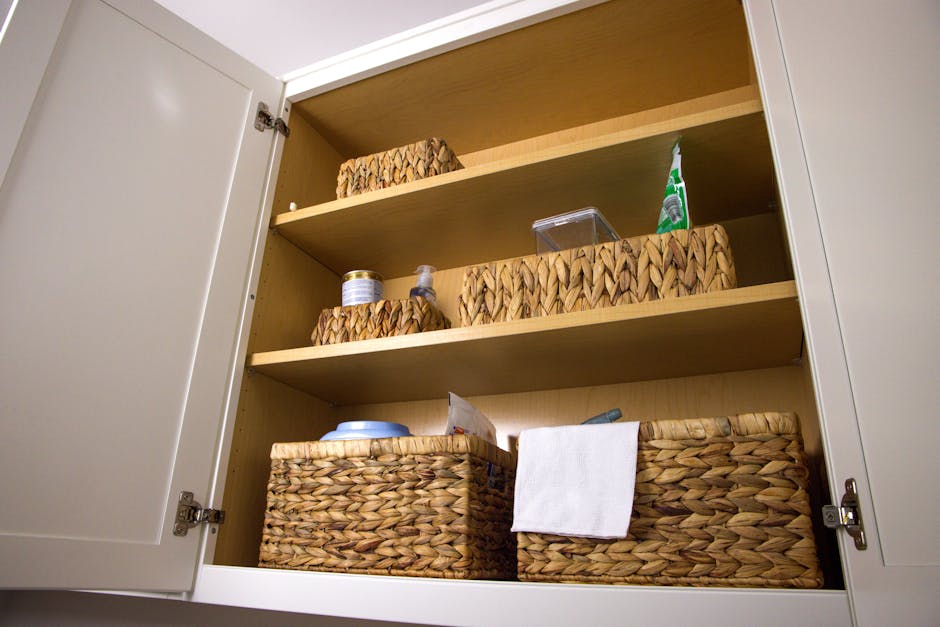
Top shelf: Backup supplies (rarely used) Middle shelf: Frequently used backups Bottom shelf: Bulk items (paper towels, sponges) Door storage: Brushes and hanging tools Floor: Larger bulk items
Label everything so refilling is fast.
What I Wish I Knew About Cleaning Supplies
After 5 years of refining this system, here is what helped most.
Less is more. I owned 30+ cleaning products. Use 8. Donated 22. Cleaning got faster because I stopped re-deciding which product to use.
Concentrate refills save space and money. Concentrate cleaners (Mrs. Meyer’s, Mr. Clean, Method) refill empty spray bottles. Smaller storage, less waste.
The caddy needs to be light. Heavy caddy = arm fatigue = less cleaning. Use a lightweight caddy.
Quality microfiber outperforms paper towels. I bought 24 microfiber cloths once. They have replaced thousands of paper towels.
Label everything. Spray bottles all look alike. I have mistakenly used glass cleaner where I meant disinfectant. Labels prevent confusion.
Cleaning Caddy Recommendations
Basic Caddy ($15)
A 12-compartment plastic caddy with handle. Lightweight, dishwasher safe, easy to clean.
Premium Caddy ($25 to $50)
Larger caddy with rolling wheels. Holds full set plus tools. Good for cleaning multiple floors.
DIY Caddy
A small bucket or basket with handle. Free or under $5. Equally functional, slightly less organized.
Cleaning Apron with Pockets
Wearable storage holds essentials while you clean. Hands-free.
How Many Cleaning Supplies Should You Own?
Most homes function well with 8 to 15 cleaning products: all-purpose cleaner, glass cleaner, bathroom cleaner, disinfectant, wood polish, stainless cleaner, dish soap, laundry detergent, and a few specialty items (toilet cleaner, oven cleaner, grout cleaner). Beyond 15, you likely have duplicates. Aim to use products fully before buying replacements.
Storage by Location
Under Kitchen Sink
Pros: Convenient for kitchen cleaning Cons: Limited space, often damp
Store:
- Dish soap and dishwasher detergent
- Sponges and brushes
- One all-purpose cleaner
- One disinfectant spray
- Hand soap refill
Lock if children: Always use child-safety locks if kids can reach.
Under Bathroom Sinks
Pros: Convenient for bathroom cleaning Cons: Limited space, often damp
Store:
- Toilet brush and cleaner
- Glass cleaner
- Spare toilet paper
- Trash bags
- Basic hair and beauty supplies
Cleaning Closet
If available, this is ideal central storage:
- All bulk supplies
- Caddy when not in use
- Cleaning tools (broom, mop, vacuum)
- Backup paper goods
Laundry Room
Good central storage:
- Laundry-specific items (detergent, fabric softener, bleach)
- Backup cleaning supplies
- Iron and ironing board
- Drying racks
Pantry or Mudroom
For homes without dedicated cleaning closet:
- Set aside one shelf for cleaning supplies
- Use clear bins for organization
- Keep separate from food items
- Lock if children
Safety Considerations
Cleaning chemicals require careful storage:
Never mix chemicals: Bleach and ammonia create toxic gas. Read labels.
Keep away from food: Separate spaces, separate shelves at minimum.
Lock if children or pets: Cabinet locks essential.
Ventilation when using: Open windows, use fans.
Original containers: Keep labels intact for safety information.
Disposal: Empty containers may still need special handling.
Eco-Friendly Cleaning Approach
If reducing chemicals, organize differently:
- Concentrated solutions for refilling spray bottles
- DIY cleaners (vinegar, baking soda, castile soap)
- Microfiber over paper towels
- Refillable containers
- Compostable sponges and brushes
For specific recipes, see our natural cleaning solutions guide.
Common Cleaning Supplies Mistakes
After helping family members:
Mistake 1: Storing chemicals near food. Always separate.
Mistake 2: Not labeling refilled bottles. Cause confusion and safety risks.
Mistake 3: Owning duplicates. Audit before buying.
Mistake 4: Keeping expired products. Most cleaners expire within 1 to 2 years.
Mistake 5: No designated storage location. Supplies scatter and disappear.
For cleaning routines, see our daily cleaning routine and monthly cleaning checklist.
Bulk Item Storage
Items bought in bulk need different storage:
Paper towels: Stack vertically, keep dry Toilet paper: Inside cabinet or designated closet Sponges: Loose in bin (rotate so old ones get used) Microfiber cloths: Folded stack in caddy or drawer Spray bottle backups: Hidden cabinet, not visible Specialty items: Higher shelves, less frequent use
Setting Up by Home Size
Small Apartment (Under 800 sq ft)
- Single caddy with daily essentials
- Under-sink storage in kitchen and bathroom
- Mini broom and mop in closet
- No cleaning closet needed
Standard Home (1,000 to 2,500 sq ft)
- Caddy plus one central storage location
- Under-sink storage in each bathroom
- Designated section in pantry or laundry room
- Designated mop and broom storage
Larger Home (Over 2,500 sq ft)
- Cleaning closet
- Multiple cleaning kits (one per floor)
- Robot vacuum (saves daily floor work)
- Designated rooms for specialized items
Daily, Weekly, and Monthly Stock
What to keep stocked:
Daily: Sprays, microfiber cloths, sponges
Weekly: Above plus laundry detergent, dishwasher detergent
Monthly: Above plus deep cleaning products
Quarterly: Specialty items (carpet cleaner, oven cleaner)
When something runs out, add to a single shopping list. Replenish in bulk.
Travel Cleaning Kit
For travel or temporary stays:
- Small bottles of all-purpose cleaner
- Disinfectant wipes
- Microfiber cloth
- Sponge
- Garbage bags
- Specific bathroom essentials
Total weight: under 2 pounds. Fits in carry-on.
Key Takeaway
Cleaning supplies organization combines a portable caddy (daily-use, 10 to 15 items) with centralized storage (bulk supplies and backup). Most homes own too many products; audit and reduce to 8 to 15 active products. Store safely (lock chemicals from children, never mix products, separate from food). Use refillable bottles to reduce waste and storage volume. Quality microfiber cloths replace thousands of paper towels. The setup takes a Saturday morning, saves 5 to 15 minutes per cleaning session ongoing, and makes cleaning happen more often because it is easier to start. The compound effect: a cleaner home with less time spent on it.
For more, see our daily cleaning routine and natural cleaning solutions guides.

Frequently Asked Questions
Where should you store cleaning supplies?
Store cleaning supplies in a high cabinet away from children (under-sink only if locked), an outside laundry room, a dedicated cleaning closet, or a basement utility area. Never store cleaning chemicals in the same space as food. Always lock chemicals if children or pets access the area.
What is a cleaning caddy?
A cleaning caddy is a portable container holding daily-use cleaning supplies (all-purpose cleaner, glass cleaner, disinfecting wipes, microfiber cloths, scrub brush). The caddy travels from room to room during cleaning, eliminating trips back to a storage area. A well-stocked caddy fits 8 to 12 items.
How do you organize a small cleaning closet?
Organize a small cleaning closet with vertical storage: shelves at multiple heights, hooks for tools on the door, bins on the floor for bulk items, and a caddy on a designated shelf. Limit the closet to actual cleaning supplies (not random storage). Most homes need a 2x2 foot closet or larger.