Junk Drawer Organization (That Actually Stays Organized)
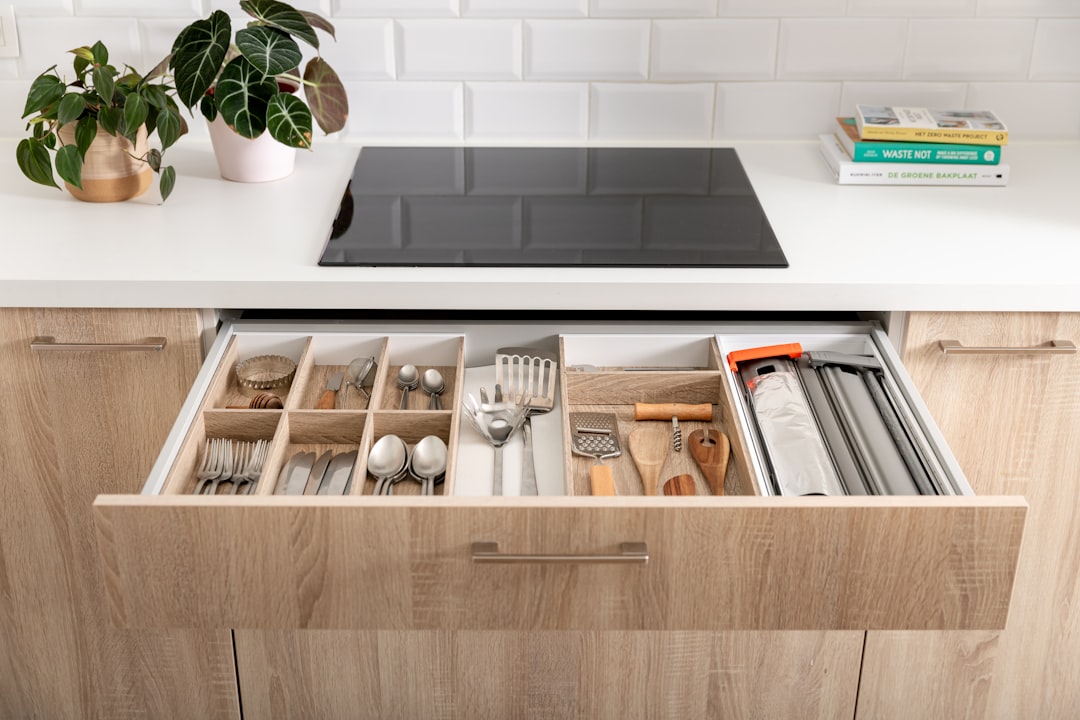
Three months ago I cleaned out our kitchen junk drawer. I felt proud. I labeled, I organized, I bought a fancy compartmented organizer.
Two weeks later, the drawer had three takeout menus, four random keys, a half-used gift card, two AAA batteries, a child’s tooth, and an unexplainable hair tie. The system collapsed faster than my last sourdough starter.
Junk drawers fail because they have no rules. Here is the system that finally made ours stay organized.
Why Junk Drawers Become Chaos
The junk drawer is a designated “I do not know where this goes” zone. By definition, anything in your house can end up there. Without rules, the drawer becomes a black hole.
The 4 forces that drive junk drawer chaos:
- Default destination: Items with no home end up here
- Procrastination: “I will figure out where this goes later”
- Family contributions: Everyone adds, no one removes
- No maintenance habit: We only address it when it overflows
According to organizing surveys, 95% of homes have at least one junk drawer, and 80% report it as a problem area. The drawer concept itself is not the problem. The lack of rules is.
What Is the Best Junk Drawer System?
The best junk drawer system has three components: defined contents (a written list of what belongs), compartmentalized organization (separate sections for different items), and scheduled maintenance (5-minute reset every 2 weeks). With these three elements, a junk drawer can stay organized indefinitely.
The Junk Drawer Reset Process
Step 1: Empty Everything (5 min)
Dump the entire contents on a tray or large surface. Wipe down the drawer (most junk drawers are filthy underneath the items).
Step 2: Sort Into 5 Piles (10 min)
Stays in junk drawer: Frequently used small items (pens, scissors, tape)
Belongs elsewhere: Items with another home (keys to designated key hook, etc.)
Donate: Working items not needed
Trash: Broken items, expired items, garbage
Mystery: Items you cannot identify (give them a 30-day review)
Step 3: Process Each Pile (10 min)
- Stay pile: Set aside for re-loading
- Belongs elsewhere: Carry items to their proper homes immediately
- Donate: Drop in donation bag
- Trash: Throw away
- Mystery: Photo and store separately for 30-day review
Step 4: Install Compartments (5 min)
Add a drawer organizer:
- Bamboo organizer ($15 to $25)
- Adjustable plastic dividers ($10 to $20)
- DIY: Small boxes or containers that fit your drawer
Match compartment sizes to typical contents.
Step 5: Load and Document (5 min)
Place items in compartments. Take a photo of the loaded drawer. Make a quick list of what belongs (this becomes your reference).
Total time: 35 minutes for a complete reset.
What Should Go in a Junk Drawer?
A functional junk drawer contains 8 to 15 frequently-used small items. Common contents:
Office Supplies (5-7 items)
- 3 to 5 quality pens (toss non-working)
- 1 sharpie or marker
- 1 small pair of scissors
- 1 roll of tape
- 1 small notebook or pad
- 1 box of paperclips
- 1 stapler (optional - some prefer this elsewhere)
Tools (3-5 items)
- 1 small screwdriver (multi-bit)
- 1 small hammer
- 1 pliers
- 1 utility knife
- 1 measuring tape
Frequently Used Small Items (4-6 items)
- Lighter or matches
- Batteries (AA, AAA in small zip bag)
- Hair ties or rubber bands
- Small flashlight
- USB-A and USB-C charging cable
- House keys (spare set)
Family Specific (varies)
- Specific items unique to your family
- Pet treats (some families use the junk drawer)
- Take-out menu of one place you order weekly
Total: 12 to 18 items maximum. More than that requires a different storage solution.
What Should NOT Go in a Junk Drawer
Items that need a different home:
Mail: Has its own designated spot near the door or on the desk Old menus: Most menus are online now; toss Coupons and gift cards: Use a dedicated wallet or app Receipts: Active receipts go in a wallet; archived ones get filed Manuals: Online versions exist; toss the paper Phone chargers in active use: Keep at charging station, not the drawer Medication: Has dedicated storage (bathroom or kitchen designated area) Pet supplies: Pet-specific drawer or basket School papers: Goes in school inbox, not the kitchen drawer
These items belong elsewhere. Putting them in the junk drawer breaks the system.
What I Wish I Knew About Junk Drawer Organization
After 3 years of refining this system, here is what made it stick.
Limits are the system. Writing “what belongs in this drawer” was the unlock. Without limits, anything can drift in.
Family buy-in matters. I told my family the rules. We labeled the drawer “Daily small items.” Now they ask “where does this go?” before dropping it in.
The biweekly reset is non-negotiable. Without the 5-minute reset, the drawer drifts within 2 weeks. The reset prevents major reorganizations.
Compartments prevent the void. Loose items in a drawer slide and tangle. Compartments hold things in place.
A second “junk drawer” defeats the purpose. Limit to one. If you have 3 junk drawers, you have 3 chaos zones, not 3 organized drawers.
How Do You Maintain a Junk Drawer Long-Term?
Maintain a junk drawer with a biweekly 5-minute reset: open the drawer, remove anything that does not belong, return wandered items to their proper homes, and check that compartments still hold their assigned items. This 5-minute habit prevents the major reorganizations that derail most junk drawer systems. Combined with twice-yearly deep cleans, the system stays functional forever.
Common Junk Drawer Mistakes
After watching family members struggle with junk drawers:
Mistake 1: Trying to make it pretty
Pinterest-perfect junk drawers are not functional. Function matters more than aesthetics here. Mismatched supplies that work beat matching supplies that do not.
Mistake 2: Too many compartments
Compartments that are too small force items into the wrong slot. Make compartments fit your actual items.
Mistake 3: Buying organizers before decluttering
Buying organizers first means you buy too many or wrong sizes. Declutter first, then measure, then buy.
Mistake 4: Skipping the contents list
Without defined contents, the drawer drifts back to chaos. Write it down.
Mistake 5: Making the drawer too big
A massive junk drawer becomes a black hole. Use a smaller drawer if possible (forces limits).
For more decluttering systems, see our decluttering mistakes guide.
Junk Drawer Variations
Different families need different junk drawer setups:
Apartment Dwellers
Smaller drawer, fewer items. Focus on:
- 2 pens, 1 scissors, 1 tape, 1 notepad
- 1 screwdriver
- Cell phone charger
- Small flashlight
- Spare key
Total: 8 to 10 items.
Families with Kids
Larger drawer with kid-specific items:
- Pens and crayons in 1 section
- School supplies (tape, scissors) in 1 section
- Adult tools in 1 section
- Snacks (granola bars, gum) in 1 section
Use clear labels so kids can put things back.
Renters
Avoid permanent installations. Use:
- Adjustable bamboo organizers
- Small boxes that fit the drawer
- Removable labels
The system travels with you.
Owners
Permanent options available:
- Custom drawer dividers (built-in)
- Painted compartments
- Drawer lining for aesthetic
Alternative Storage for “Almost Junk” Items
Some items that often end up in junk drawers deserve their own designated spots:
Charging station: Designate a single spot for all phone/device charging Key hook: Inside coat closet or near door, dedicated keys-only spot Pet supplies basket: Treats, leash, poop bags in one location Tool drawer or kit: Real toolbox for actual tools (not the junk drawer screwdriver) Stationery box: For all paper, envelopes, stamps, cards
Removing these from the junk drawer leaves space for genuine miscellaneous items.
Decluttering the Other Junk Spots
After tackling the kitchen junk drawer, look at:
The “junk pile” on a side table: Same principles apply Mystery boxes in the garage: Open, sort, donate, recycle The bottom of the bag/purse: Empty weekly Glove compartment: Tissues, registration, insurance only Office “to deal with” pile: File or trash within 30 days
The junk drawer principles apply throughout the house.
Family Junk Drawer Rules
Establish rules for shared junk drawers:
Rule 1: Items in the drawer must be on the contents list Rule 2: Anything wandering in gets removed the next biweekly reset Rule 3: New items require list addition (vote if 2+ family members) Rule 4: Anyone can do the 5-minute reset Rule 5: Quarterly family review of what is working
Family rules make the system sustainable across multiple people.
Key Takeaway
Junk drawers fail because they have no rules. The fix is three elements: defined contents (a written list of what belongs), compartmentalized organization (separate sections), and scheduled maintenance (5-minute reset every 2 weeks). Limit contents to 8 to 15 frequently-used items. Remove anything that has a proper home elsewhere. Use bamboo or adjustable plastic organizers to maintain compartments. Most junk drawers can be permanently organized in one 35-minute session followed by biweekly maintenance. The drawer that always became chaos can stay functional for years with these rules.
For more, see our where to start decluttering and 100 things to declutter guides.

Frequently Asked Questions
What should be in a junk drawer?
A functional junk drawer holds 8 to 15 frequently-needed small items: pens, scissors, tape, basic tools (screwdriver, hammer), batteries, rubber bands, paper clips, lighter, small notepad, and important small items like keys or chargers. Aim for items used weekly. Everything else belongs elsewhere.
Why does my junk drawer keep getting messy?
Junk drawers get messy because they have no defined contents and no system. The fix is to limit what goes in (defined contents), use compartmentalized inserts (system), and do a 5-minute reset every 2 weeks (maintenance). Without defined limits, every item becomes a possible candidate.
How often should you clean out the junk drawer?
Clean the junk drawer thoroughly every 6 months and do a 5-minute reset every 2 weeks. The full clean-out empties everything, evaluates each item, and resets the system. The biweekly reset just removes items that have crept in inappropriately.