How to Fold Clothes the Right Way for Every Item
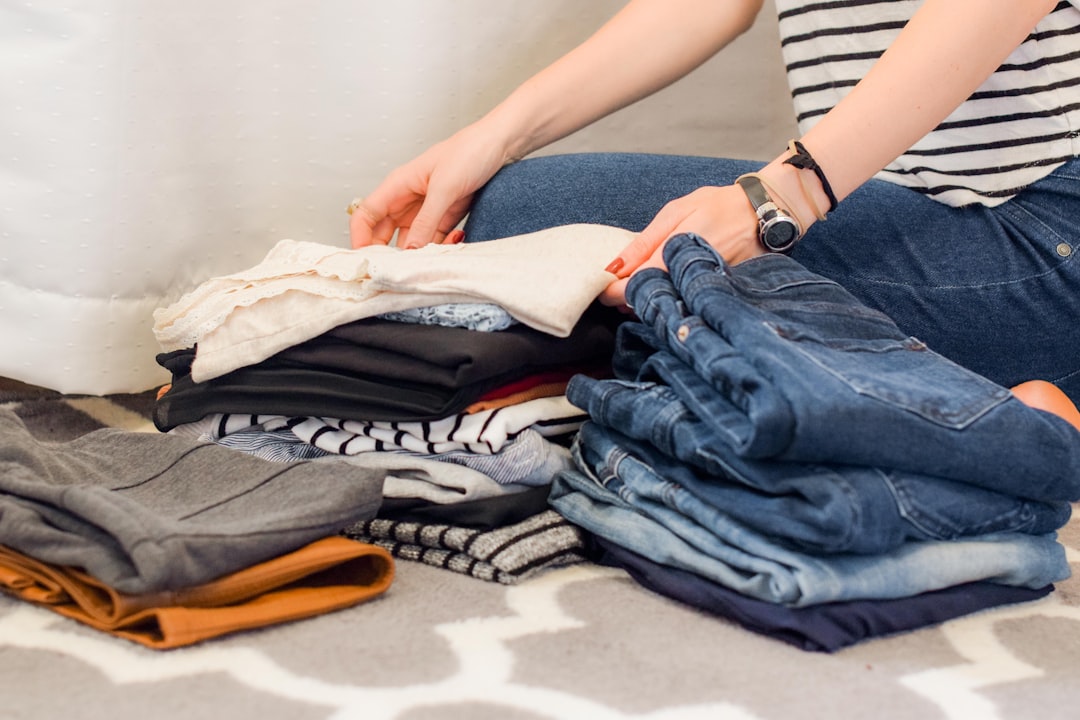
I used to fold clothes the way my mom taught me: shirts in thirds, pants in half, towels in quarters, all stacked flat. Then I tried Marie Kondo’s file folding method and could not believe the difference. My drawers went from chaos to organized in one afternoon.
But not every item folds the same way. Fitted sheets, towels, and bulky sweaters each have their own best technique. Here is the complete guide to folding every item in your laundry, including the methods that actually save space and time.
Why Folding Technique Matters
Folding well saves time in three ways:
- Less time finding clothes (KonMari shows every item at once)
- Less ironing (proper folds prevent wrinkles)
- Less re-folding (right method stays neat longer)
According to a study from the American Cleaning Institute, the average household spends about 90 minutes per week folding and putting away clothes. Better technique cuts this nearly in half.
I learned this from years of project management: the right method makes recurring tasks faster every single time.
What Is the Best Folding Method for Drawers?
The best folding method for drawers is the KonMari file-folding method. Fold each garment into a small rectangle that stands upright on its short edge. Items file like books in a row, so you see every piece at once, save 30 to 50% drawer space, and prevent the bottom layer from being forgotten.
How to Fold Every Item
T-Shirts (KonMari Method)
- Lay shirt flat, face down
- Fold one side toward the center, including the sleeve
- Fold the other side to match (now you have a rectangle)
- Fold the bottom up to the neckline (long rectangle)
- Fold the rectangle in thirds so it stands upright
The finished shirt should stand on its own when set on its edge.
Long-Sleeve Shirts
Same as t-shirts, but tuck the sleeves into the rectangle when folding sides in. Sleeves should be hidden inside the fold.
Pants and Jeans
- Lay pants flat with one leg on top of the other (folded in half lengthwise)
- Fold the bottom of the legs up to the waistband
- Fold in half again or in thirds depending on drawer height
For jeans, leave them slightly flatter to prevent permanent creases. For dress pants, keep the original crease line visible.
Sweaters
Bulky sweaters do not work with file folding. Use the flat fold:
- Fold arms in toward the center
- Fold the bottom up to the neck
- Stack flat (file folding compresses too much)
Hanging is better for delicate sweaters because folds can stretch the shoulder area over time.
Socks (Stop Balling Them Up)
The “ball” method stretches sock elastic. Instead:
- Lay one sock flat on top of the other (matched pair)
- Fold the toes up about 2 inches
- Continue rolling toward the cuff
- Tuck the cuff over to secure
Socks stay paired without ruining elastic.
Underwear
Quick fold for women’s briefs:
- Lay flat with waistband at top
- Fold sides toward center
- Fold up from the bottom
- File upright in drawer
For boxers and boxer briefs, fold legs together, then fold in thirds.
Bras
Do not fold bras with underwire by stacking cup-in-cup (it warps the underwire). Instead, lay flat with cups side by side and store in a single layer. For wireless bras and bralettes, fold the cups together and stack normally.
Towels
Bath towels folded in thirds lengthwise, then in thirds again make compact stacks that fit shelves perfectly. Hand towels in half, then in thirds. Washcloths in quarters.
For more on linen organization, see our linen closet guide.
Fitted Sheets (The Trick Everyone Wants)
This is the one everyone struggles with. Here is the method:
- Hold the sheet right-side out by the two corners of the short edge
- Bring the corners together, slipping one inside the other to make a “pocket”
- Pick up the other two corners and slip them into the same pocket configuration
- You now have a rectangle with 4 corners nested
- Lay flat and smooth into a clean rectangle
- Fold into thirds lengthwise, then fold in half or thirds
The whole sheet should stack neatly with flat sheets.
Flat Sheets
Easier than fitted. Fold in half lengthwise twice (long rectangle), then fold in thirds. Match the folded dimensions to your fitted sheet for clean stacks.
Pillowcases
Fold in thirds widthwise, then in half. Tuck the pillowcase set inside one matching pillowcase to keep sheet sets together (the “pillowcase trick”).
What Is the KonMari Folding Method?
The KonMari folding method, developed by Marie Kondo, folds garments into compact rectangles that stand upright on their short edge. Each item becomes about the size of a paperback book. Items file in drawers like books on a shelf, so every piece is visible without rummaging. The method saves drawer space and extends garment life by preventing wrinkles.
What I Wish I Knew
Lessons from years of folding.
File folding saves real space. I was skeptical until I converted one drawer. Suddenly I could fit twice as much in the same drawer. Now every drawer in the house is file folded.
Take the time once, save time forever. The initial conversion to file folding takes an hour per drawer. After that, putting clothes away takes the same time but they fit better and stay neater.
Hang what wrinkles. Some clothes never fold well. Dress shirts, linen pants, suit jackets. Hang these. Folding does not work for every item.
Roll for travel, fold for storage. I roll clothes when packing a suitcase (less wrinkling, more compact). I fold for drawers. Different goals, different methods.
Buy drawer dividers. $10 dividers turn one drawer into 4 organized sections. File folding works best with dividers to keep categories separated.
Folding for Different Storage Types
Match the technique to where you store the clothes.
Deep drawers: File fold everything. Standing upright maximizes space.
Shallow drawers: Traditional flat stacks work. Limit stack height to 4 or 5 items so you can see the colors.
Open shelving: Flat folds look better than file folds for visual appeal. Stack matching items together.
Closet shelves: Same as open shelving. Flat folds are more visually pleasing in plain view.
Under-bed storage: Roll clothes tightly to fit more in shallow bins. Rolling also works for clothes you do not need to keep wrinkle-free.
How Long Should You Spend Folding Laundry?
Spend 5 to 10 minutes folding each typical load of laundry, or 30 to 45 minutes per week for a family of four. Fold immediately after the dryer finishes to prevent wrinkles. Set up a folding station in your laundry room with counter space so you can fold while standing.
Family Folding System
For families, train each person to fold and put away their own clothes from age 6 or 7. Tips:
- Show the technique 3 times slowly
- Watch them do it 3 times
- Then trust them, even if their folds are imperfect
- Imperfect folding by kids is better than perfect folding by you
Our family laundry schedule has more on building family laundry habits.
Avoiding Common Folding Mistakes
- Folding while damp: Causes mildew. Wait until clothes are fully dry.
- Stacking too high: Bottom items wrinkle and become invisible. Max 5 items per stack.
- Mixing methods in one drawer: Some file folded, some flat. Choose one method per drawer.
- Forgetting to fold immediately: Wrinkles set quickly. Fold within 15 minutes of dryer ending.
For more laundry day improvements, see our common laundry mistakes guide.
Key Takeaway
The right folding method saves time, space, and ironing. Use KonMari file folding for drawers (clothes stand upright like books). Use flat stacks for shelves. Hang anything that wrinkles. Roll for travel. Master the fitted sheet pocket trick once and you will never struggle with it again. Convert one drawer this weekend and see the difference. You will likely convert the rest within a month.
For more laundry room improvements, see our laundry room makeover ideas and laundry sorting systems.

Frequently Asked Questions
What is the best way to fold clothes?
The best folding method depends on storage. For drawers, use the KonMari file-folding method where each item stands upright. For shelves, use traditional flat folds. For closets, hang items prone to wrinkling. Match the method to where the clothing lives.
How do you fold a fitted sheet?
Hold the sheet inside-out with corners in each hand. Tuck one corner into the matching corner to make a pocket. Continue until all 4 corners are nested. Lay flat, smooth into a rectangle, then fold into thirds and roll or fold flat for storage.
What is the KonMari folding method?
The KonMari method folds clothes into compact rectangles that stand upright in drawers, like files in a filing cabinet. This lets you see every item at once, saves drawer space by 30 to 50%, and prevents the bottom items from being forgotten.