Belt and Tie Organization Ideas for a Tidy Closet
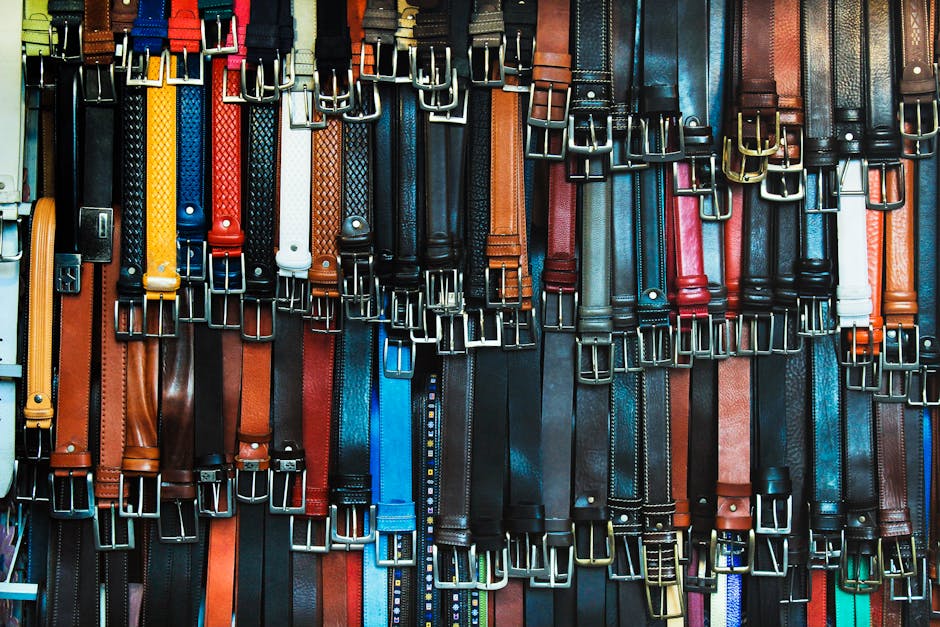
For years my belts lived in a tangled heap at the bottom of a drawer. My ties hung from a coat hook in the closet, gathering dust and wrinkling. Getting dressed for events meant ironing or steaming the wrinkles out before I could leave the house.
Belt and tie organization is one of those small upgrades that has a daily impact. Here are the 10 ideas that finally fixed our accessory chaos.
Why Belt and Tie Organization Matters
Disorganized belts and ties cause real problems:
- Wrinkled ties: Set wrinkles destroy the formal look
- Stretched belts: Bent at the buckle becomes permanent
- Daily friction: 5 to 10 minutes finding matching accessory
- Forgotten items: Unused belt or tie sits at the back of drawer
- Dust accumulation: Loose items collect dust
- Lost items: Single tie in a drawer disappears
A simple organization system solves all of this in 30 minutes.
What Is the Best Way to Organize Belts and Ties?
The best way to organize belts and ties uses wall-mounted hooks or racks: belts hang by their buckles to maintain shape, ties hang from a multi-slot rack to prevent wrinkles. Both stay visible for daily access. The system takes 30 minutes to install and lasts for years. Wall-mounted is preferred over drawer storage for most homes.
10 Belt and Tie Organization Ideas
1. Wall-Mounted Belt Hooks
Multiple hooks (8 to 12) mounted to the closet wall. Belts hang by buckles.
Cost: $15 to $30 Best for: Most belt collections, visible storage
2. Belt Rack with Vertical Slots
A wall mount with parallel vertical slots. Belts slide into slots without hooks.
Cost: $20 to $35 Best for: Multiple belts, sleek look
3. Drawer Belt Organizer
A long drawer organizer divides into compartments for belts. Each belt has its own slot.
Cost: $15 to $25 Best for: Drawers with adequate space, hidden storage
4. Tie Rack (Wall-Mounted)
Wall-mounted rack with multiple slots for ties. Some include movable hooks.
Cost: $15 to $40 Best for: All tie collections
5. Pull-Out Tie Drawer
A drawer dedicated to ties. Ties laid flat or hung on internal hooks.
Cost: $25 to $60 Best for: Cabinet drawer space, hidden storage
6. Hanging Tie Organizer (Door-Mounted)
A hanging organizer with multiple pockets or slots for ties. Mounts to inside closet door.
Cost: $20 to $35 Best for: Closets with door space
7. Velvet Hanger Tie Holder
A hanger attachment specifically for ties. Hangs in closet alongside clothing.
Cost: $10 to $20 Best for: Small collections, mixed closet storage
8. Tie Rack Inside Wardrobe
A pull-out or fixed rack inside the wardrobe for ties.
Cost: $30 to $80 Best for: Wardrobes being built or renovated
9. Travel Tie Roll
For traveling: a roll-up tie organizer that prevents wrinkles in luggage.
Cost: $20 to $40 Best for: Frequent travelers
10. Combined Belt and Tie Wall Display
A larger wall display with hooks for belts and slots for ties. Combines both in one location.
Cost: $40 to $80 Best for: Larger collections, dedicated display
What I Wish I Knew About Belt and Tie Organization
After multiple closet organizations, here is what helped most.
Vertical storage is the key. Loose in drawer = chaos. Vertical hooks or rack = order.
Quality items deserve protection. Expensive silk ties and leather belts need proper storage. Cheap drawer storage damages quality items.
Reduce inventory honestly. I had 30+ ties. Wore 8 regularly. Donated 22 with relief.
Daily-use vs occasional. Daily ties at the front; occasional ties farther back.
Travel-specific gear. Travel ties (less wrinkling) live separate from home storage.
Decluttering Belts and Ties
Before organizing, audit:
What to Keep
Belts:
- Worn weekly (daily-use)
- Belt for dress occasion (1 to 2)
- Quality leather in great condition
- Belt that complements multiple outfits
Ties:
- Worn monthly (regular rotation)
- Quality silk in great condition
- Solid colors that go with multiple outfits
- Patterns you genuinely enjoy
What to Donate
- Belts you have not worn in 12 months
- Ties from old jobs or different formality
- Damaged or stained items
- Stretched or warped pieces
- Sentimental items you do not wear
What to Toss
- Damaged beyond repair
- Stretched or shrunken
- Severely stained
- Broken hardware (buckles, etc.)
Most men donate 50 to 70% of belts and ties when honest about usage.
Setting Up the System
Step 1: Empty Current Storage (10 min)
Pull every belt and tie. Pile on the bed or table.
Step 2: Sort and Decide (30 min)
Apply the keep/donate/toss criteria. Be honest about what you actually wear.
Step 3: Choose Storage Method (10 min)
Based on:
- Size of remaining collection
- Closet space available
- Personal aesthetic preference
Step 4: Install or Set Up (30 min)
Wall hooks: Pre-drill, mount level Drawer organizer: Insert and adjust Tie rack: Mount to wall or hang
Step 5: Organize by Use Frequency (15 min)
Daily-use items in front/easiest spots. Occasional items farther back. Special occasion items in separate storage.
How Do You Store Belts to Maintain Shape?
Store belts hanging from their buckle ends, never folded or twisted. Hanging keeps the belt strap straight and prevents the permanent crease that occurs from bending. Use a hook or rack designed for belt buckles. The strap should hang freely. For dress belts, hang inside the closet away from sunlight to prevent leather damage.
Storage by Collection Size
Small Collection (2-4 belts, 4-8 ties)
- 1 wall hook for belts (4 hooks)
- 1 tie rack with 8 to 10 slots
- Total cost: $25 to $40
- Total wall space: 12 inches wide
Medium Collection (4-6 belts, 8-15 ties)
- Wall-mounted belt rack (6+ hooks)
- Wall-mounted tie rack (15+ slots)
- Total cost: $40 to $70
- Wall space: 24 inches wide
Large Collection (6+ belts, 15+ ties)
- Multiple wall-mounted systems
- Or dedicated cabinet drawer
- Combined display setup
- Total cost: $60 to $120
- Wall space: 36 inches or dedicated cabinet
Tie Care and Storage
Ties need specific care:
Daily: After wearing, hang to air out 24 hours before next wear (or use) Weekly: Quick inspection for stains Monthly: Steam if wrinkled Quarterly: Donate any in regular rotation but rarely worn
For more closet care, see our walk-in closet and hanger organization guides.
Belt Care and Storage
Belt longevity tips:
Daily: Hang properly after use Weekly: Wipe leather with damp cloth Monthly: Condition leather with leather conditioner Annually: Replace any showing significant wear
Travel Considerations
For travel storage:
Belts: Roll and place around hat or shoes for shape Ties: Use travel tie roll to prevent wrinkles Backup: One spare belt always packed for emergencies Specialty: Reverse belts for fewer style needs
Common Belt and Tie Mistakes
After helping family and friends organize:
Mistake 1: Loose in drawer. Tangles, stretches, wrinkles.
Mistake 2: Folding ties for storage. Permanent crease.
Mistake 3: Hanging belts by the strap. Stretches.
Mistake 4: Too many. Excess clutters.
Mistake 5: No designated location. Items scatter.
For specific closet styles, see our walk-in closet guide and small closet ideas.
Color Organization
Within your collection, organize by color:
Belts: Group black, brown, casual. Saves matching time.
Ties: Group by solid, pattern, color theme. Easier outfit building.
This system reveals duplicates (3 black solid ties? Donate two).
Premium Storage for Quality Items
For investment-grade ties or belts:
- Acid-free storage
- Climate-controlled closet
- Padded hangers for ties
- Dust covers
- Annual professional cleaning if needed
Apartment Setups
For limited space:
- Single wall hook bar for belts (8 hooks max)
- Compact tie rack inside closet door
- Reduce collection aggressively
- Specialty items in storage box
Key Takeaway
Belt and tie organization is one of the most overlooked closet upgrades. Wall-mounted systems are the best for visibility and access; drawer storage works for hidden setups. Hang belts by their buckles to maintain strap shape; hang ties on a multi-slot rack to prevent wrinkles. Most men own 50 to 70% more belts and ties than they actually wear; aggressive decluttering before organization reveals what you actually use. Total setup cost: $25 to $80 depending on collection size. The result: morning outfit selection becomes 5 minutes faster, accessories stay wrinkle-free, and the closet feels intentionally curated rather than cluttered.
For more closet organization, see our walk-in closet and hanger organization guides.

Frequently Asked Questions
How do you organize belts in a closet?
Organize belts using vertical hooks (best for visibility), a belt rack with multiple slots, or a drawer organizer with belt loops. Hang belts by the buckle to maintain shape and prevent creasing. Most belt collections fit on a single wall hook system or one drawer.
What is the best way to store ties?
The best tie storage rolls ties to prevent creasing (best for travel and infrequent use), or hangs them from a tie rack with multiple slots (best for daily access). Avoid loose ties in a drawer; they wrinkle and lose shape. A wall-mounted tie rack costs $15 to $40 and protects 20 to 50 ties.
How many belts and ties does one person need?
Most men need 4 to 6 belts (dress black, dress brown, casual brown, casual black, white for some) and 8 to 15 ties (3 to 5 solid colors, 3 to 5 patterns, 2 to 3 seasonal). Beyond that, you wear the same items anyway. Excess accessories clutter closets without adding outfits.