How to Organize Shoes in a Small Space
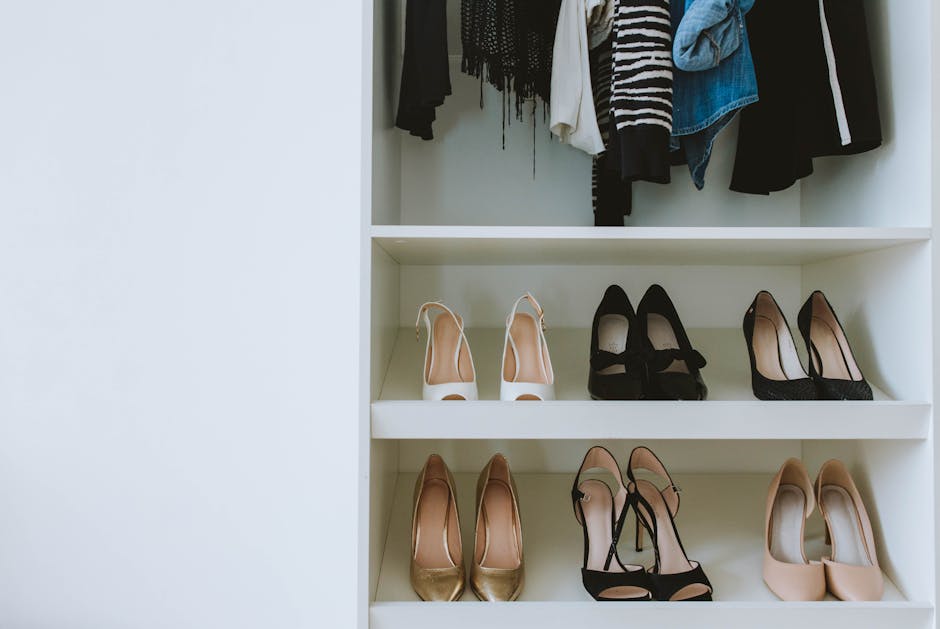
Shoes are the number one source of closet floor chaos. They pile up at the front door, spill out of the closet, and somehow multiply when you are not looking. I counted my family’s shoe collection last spring and found 47 pairs scattered across three rooms. For a family of four, that felt like a lot, and it was.
If you are dealing with shoe clutter in a small space, the problem is rarely about not having enough room. It is about not having a system. I’ve tested dozens of shoe organization methods in my 1,100 square foot home, and these 12 solutions genuinely work. No custom closets or renovations required.
The National Association of Home Builders reports that the average reach-in closet is only 24 inches deep and 4 to 6 feet wide. That is not much floor space for shoes, which is exactly why vertical and creative solutions matter so much. The National Association of Productivity and Organizing Professionals recommends starting any organization project by reducing volume first, which is why editing your shoe collection before buying storage solutions makes such a big difference.
How Many Shoes Should You Keep?
Before organizing, edit. Most adults genuinely need 7 to 12 pairs of shoes: everyday casual, everyday work, workout or athletic, warm weather sandals, cold weather boots, a dressier option, and 1 to 2 specialty pairs for specific activities. The average American woman owns 17 to 27 pairs, and men own 8 to 12 pairs, according to a survey by ShopSmart magazine. I reduced my personal collection from 19 to 11 and have not missed a single donated pair. If your closet is small, fewer shoes means every pair actually has a home.
1. Over-the-Door Shoe Organizers
This is the easiest win for small spaces because it uses zero floor or shelf space. An over-the-door organizer with 24 pockets can hold 12 to 24 pairs of shoes depending on size.
I use mine on the inside of my bedroom closet door for flats, sandals, and sneakers. Heavier shoes like boots should go on the bottom pockets to prevent the organizer from pulling away from the door.
Cost: $12 to $25 for a quality fabric version.
Pro tip: Choose a version with clear pockets so you can see each pair without searching. I made the mistake of buying an opaque one first and never remembered what was in which pocket.
2. Stackable Clear Shoe Bins
These are the gold standard for shoe storage ideas in my opinion. Clear, drop-front bins let you see every pair, stack neatly, and protect shoes from dust. They create a uniform look that makes any closet feel organized.
I use these for my nicer shoes and seasonal pairs. The drop-front design means you can grab a pair without unstacking the whole column.
Cost: $2 to $4 per bin. A set of 12 runs about $30 to $40.
Stack them on your closet floor, on a shelf, or even under a bench in your entryway. They work everywhere.
3. A Slim Shoe Rack Behind the Door
Not behind the door on the door, but the wall space behind the door when it is open. This is dead space in most rooms. A slim 3-tier shoe rack fits perfectly in this spot and holds 6 to 9 pairs.
I discovered this spot in my kids’ room, and it now holds all their shoes. Before, their shoes lived in a heap by the back door. This small change eliminated our daily “where are my shoes” meltdown.
4. Tension Rod Shoe Storage
Here is a trick I learned from a friend who lives in a studio apartment. Install a tension rod low in your closet (about 6 inches from the floor) and hang heeled shoes by hooking the heel over the rod.
One tension rod holds approximately 8 to 10 pairs of heels. It lifts them off the floor so you can use the space underneath for flat shoes or bins.
Cost: $8 to $15 for a tension rod.
This solution will not work for flats or sneakers, but for heeled boots and pumps, it is surprisingly effective.
5. Under-Bed Shoe Storage
The space under your bed is prime real estate for shoes you wear less frequently. Under-bed containers with clear lids keep seasonal shoes accessible but out of the way.
I store my winter boots under the bed from April through October and my sandals from November through March. This frees up 4 to 6 pairs worth of closet space year-round. For more on how I manage seasonal swaps, check out our seasonal clothing rotation guide.
Time estimate: Swapping seasonal shoes takes about 10 minutes twice a year.
Add a silica gel packet to each container to prevent moisture and odor issues. This is especially important for leather shoes.
6. A Bench with Hidden Shoe Storage
If your entryway or mudroom has room for a bench, choose one with storage underneath. A storage bench serves double duty by giving you a place to sit while putting on shoes and hiding 6 to 10 pairs inside.
My entryway bench holds our family’s everyday shoes: the pairs we wear and remove daily. Everything stays contained, and the entryway looks tidy even with four people’s shoes stored right there.
Cost: $50 to $150 for a basic storage bench.
7. Floating Shelves as Shoe Display
For a small collection of nice shoes, floating shelves turn storage into decor. Install 2 to 3 narrow floating shelves on a wall inside your closet or in your bedroom.
This works best for 6 to 8 pairs of shoes that you wear regularly and want easy access to. I would not recommend this for athletic shoes or work boots, but for everyday flats and low-profile sneakers, it is clean and functional.
How Do You Keep Shoes From Smelling in Storage?
Baking soda sachets, cedar shoe inserts, and silica gel packets all reduce odor and moisture in stored shoes. Place cedar inserts inside shoes before storing them in bins. Sprinkle baking soda inside athletic shoes after each wear and shake it out before the next use. Silica gel packets absorb moisture that causes bacterial growth and odor. According to research from the American Chemical Society, shoe odor is primarily caused by bacteria thriving in warm, moist environments, so controlling moisture is more effective than masking odor with sprays.
8. Shoe Cubbies for Kids
Children’s shoes are small, which makes cubbies an ideal storage solution. A small cubby unit with 6 to 9 compartments fits inside a closet or near the back door and gives each pair its own slot.
I assigned each of my kids 3 cubbies: one for school shoes, one for play shoes, and one for seasonal shoes. My 7-year-old can now put her own shoes away because the system is simple enough for her to follow independently.
Cost: $20 to $40 for a basic cubby organizer.
9. Boot Clips and Hangers
Tall boots flop over, take up floor space, and lose their shape. Boot clips hold boots upright by clamping the top of the shaft. Hang them from your closet rod or store them standing on a shelf.
I use boot clips for 3 pairs of tall boots, and they take up about 6 inches of rod space total compared to the 2 feet of floor space they consumed before. Pool noodles cut to size also work as a budget boot shaper, though they do not hang.
10. Pegboard Shoe Wall
A pegboard mounted on a closet wall or mudroom creates customizable shoe storage. Add hooks for sandals and shelf brackets for sneakers. You can reconfigure the layout anytime.
This solution is ideal for families because you can assign sections of the board to each person. My friend installed a 4-foot pegboard in her garage mudroom and it holds 20+ pairs with room to spare.
Cost: $30 to $50 for pegboard, hooks, and mounting hardware.
11. Tiered Shoe Racks Inside the Closet
A tiered shoe rack on the closet floor maximizes vertical space. A 3-tier rack holds 9 to 12 pairs in the footprint that 3 to 4 pairs would occupy sitting on the floor.
Choose a rack that is narrow enough to still access the full closet depth. I use a 24-inch wide, 3-tier rack on one side of my closet, and it holds all my everyday shoes without blocking anything above. For more ways to use vertical space in tight closets, our small closet ideas guide has additional solutions.
12. Rotate Shoes Seasonally
This is less about storage and more about mindset. You do not need all your shoes accessible all year. In summer, winter boots and heavy shoes go into bins under the bed or on the top closet shelf. In winter, sandals and open-toed shoes get stored away.
Rotating seasonally means your active shoe collection stays around 7 to 10 pairs rather than 15 to 20. That is the difference between a cluttered closet floor and one that is manageable.
What I Wish I Knew About Shoe Organization
Measure your space before buying any organizer. I bought a shoe rack that was 2 inches too wide for my closet. It sat in my garage for a month before I returned it. Measure twice, buy once.
Kids’ shoe needs change every 6 months. I now do a shoe audit for my kids at the start of each season. Feet grow fast, and holding onto too-small shoes wastes valuable space.
Store shoes in pairs, always. This sounds obvious, but I used to toss shoes into bins without matching them. Finding one shoe in a bin of 8 is no fun. Rubber band pairs together or use shoe clips.
The entryway is the real battleground. My closet stayed organized, but shoes piled up by the front door daily. A small bench with storage near the door fixed this entirely. The closet is for storage. The entryway is for daily use.
Shoe trees are not just for fancy shoes. A $10 pair of cedar shoe trees extends the life of any leather shoe by absorbing moisture and maintaining shape.
Key Takeaway
Organizing shoes in a small space requires editing your collection to the pairs you actually wear, then matching each pair to a storage solution that fits your space. Start with an audit to identify which shoes deserve closet real estate. Then implement solutions that use vertical and hidden spaces like the back of doors, under the bed, and stacked bins. The best shoe organization system is the one your whole household will actually maintain.
More Closet Solutions
Shoe storage is one piece of a fully organized closet. Visit our complete closet organization hub for more strategies, or start decluttering room by room if shoe clutter is just the beginning of a bigger project.

Frequently Asked Questions
How many pairs of shoes does the average person own?
The average American owns 12 to 20 pairs of shoes but regularly wears only 3 to 5 pairs. Keeping only the shoes you wear and properly storing seasonal or special occasion pairs is the key to managing shoe clutter in small spaces.
What is the best way to store shoes you don't wear often?
Store infrequently worn shoes in clear stackable bins or under-bed storage containers. Add silica gel packets to prevent moisture damage. Take a photo of each pair and tape it to the bin for quick identification without opening every container.
Should you keep shoes in their original boxes?
Original shoe boxes waste space because sizes vary and you cannot see what is inside. Replace them with uniform clear drop-front bins that stack neatly and let you identify shoes at a glance. The exception is designer shoes that retain value with original packaging.