Decluttering an Aging Parent's Home: A Gentle Guide
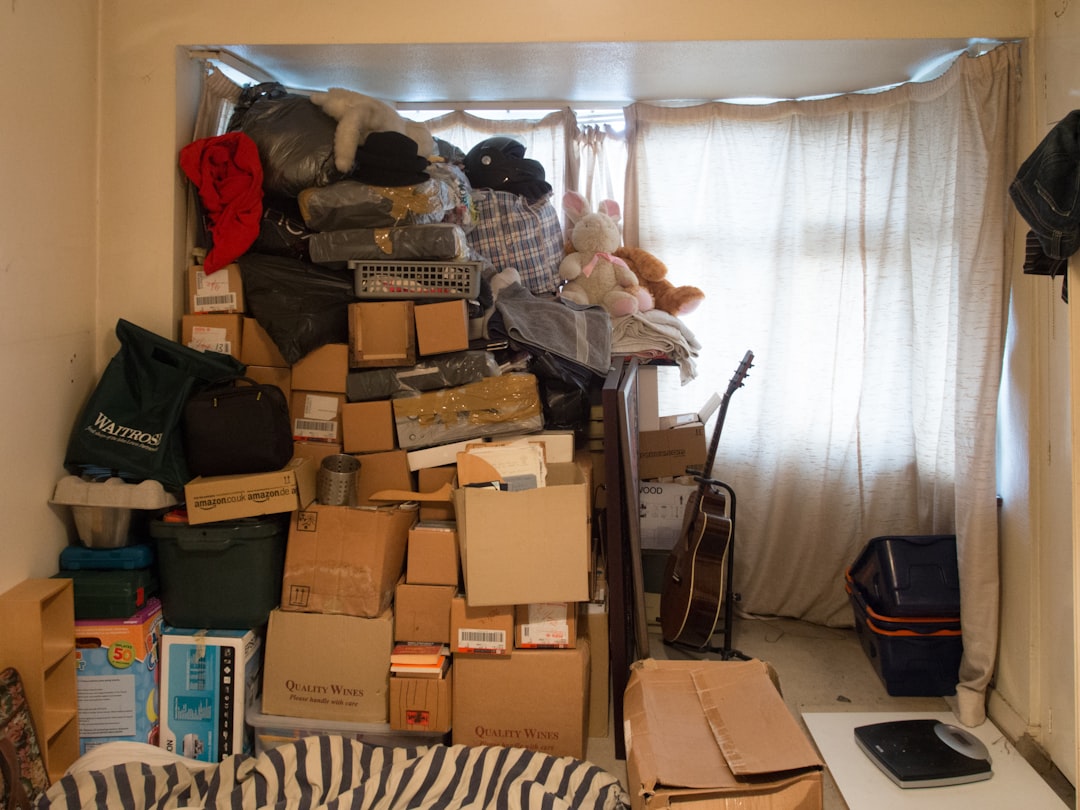
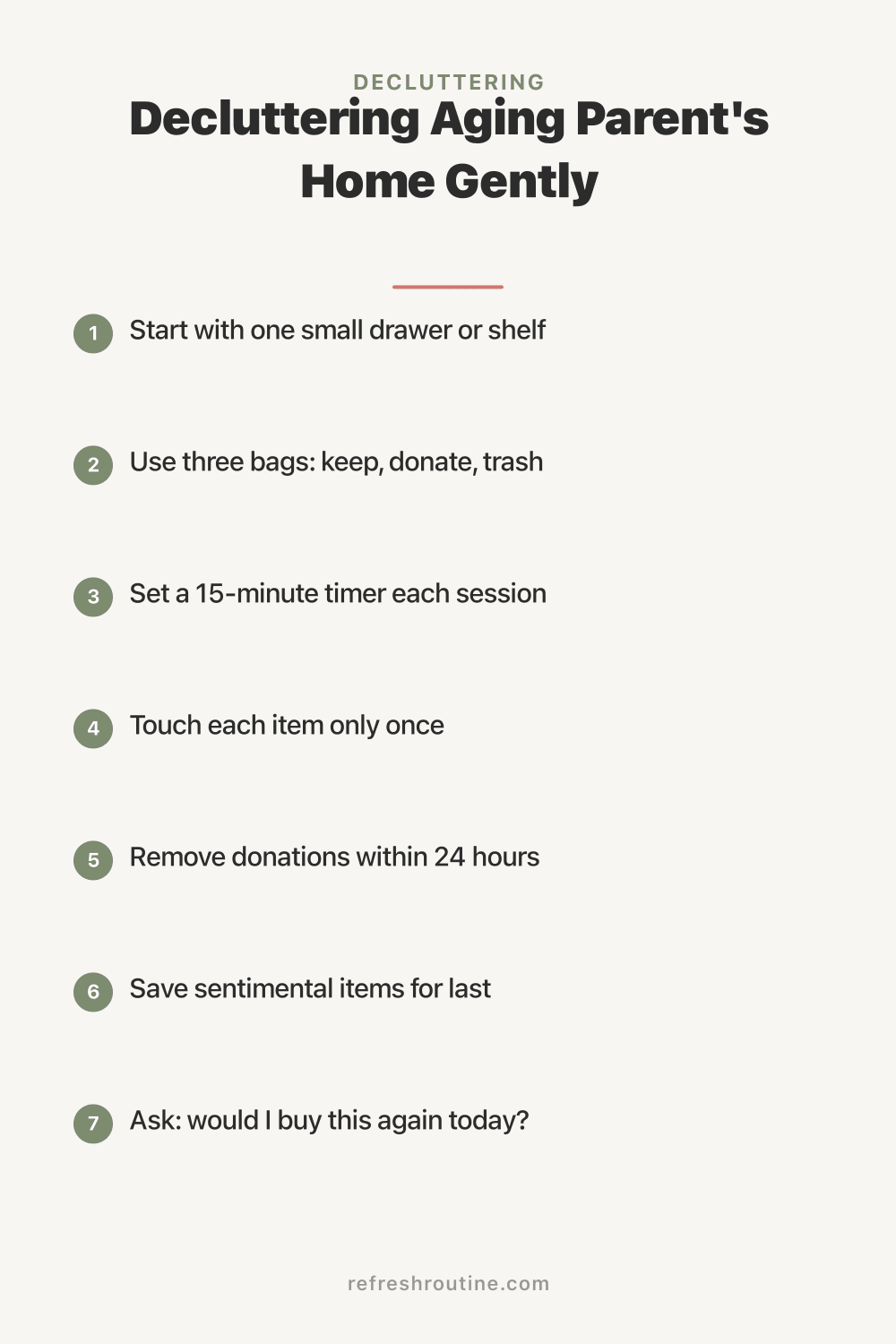
When my mother turned 75, her home of 40 years had accumulated layers of stuff. Closets full of clothes she could not reach. Paper piles she could not read. Furniture in pathways she could not navigate safely. Three years of trying to “help her declutter” resulted in tears and conflict.
The fix was changing my approach completely. I stopped pushing decluttering and started focusing on her actual needs: safety, dignity, autonomy. Here is the gentle approach that finally worked.
Why Decluttering Aging Parents Is So Hard
The challenges are real and layered:
- Different generation: Their values about possessions formed in different times
- Cognitive changes: Decision-making capacity may decline
- Emotional attachment: Items represent decades of life
- Fear of loss: Losing things triggers fear of losing more (independence, memory, life)
- Family dynamics: Adult children’s involvement triggers complex feelings
- Loss of control: Decluttering can feel like loss of agency
According to research from AARP, 70% of adults caring for aging parents identify “managing their possessions” as one of the most challenging aspects of the relationship.
The approach must respect what is at stake for the parent, not just our own discomfort.
What Is the Right Approach to Aging Parent Decluttering?
The right approach prioritizes safety over aesthetics, respects autonomy, moves at their pace, and treats them as adults in their own home. Start with safety hazards, allow them to lead decisions, frame work as helping them stay independent, and recognize that some items have meaning we cannot fully understand. The goal is improved quality of life, not magazine-perfect home.
Safety First: The Non-Negotiables
These items warrant decluttering even with resistance:
Fall Hazards
- Tripping items in pathways: Move first
- Rugs without grippers: Secure or remove
- Items at ankle height: Move to safer storage
- Stairs blockage: Always clear
Fire and Health Hazards
- Expired food: Toss
- Expired medications: Proper disposal
- Flammable items near heat: Move
- Electrical hazards: Address
- Mold or pest issues: Address professionally if needed
Medication Management
- Expired medications: Discard properly
- Confusing pill organization: Set up clear system
- Multiple prescription bottles: Sort and label
- Dangerous combinations: Pharmacy review
These items can be addressed with simple framing: “I noticed this could be a falling hazard. Can we move it together?” Not, “This is dangerous. We have to get rid of it.”
The 6-Step Compassionate Approach
Step 1: Have a Conversation (Not a Project)
Before any decluttering, talk:
Express care, not concern: “I want to make sure you can stay in your home as long as you want.”
Listen to their wishes: Some items matter for reasons you cannot guess.
Identify priorities: Safety, accessibility, sentimental value.
Get permission: For each space or category.
Move slowly: A multi-month conversation, not a weekend project.
Step 2: Start With Safety (1 to 4 Weekends)
Address immediate safety concerns:
- Clear pathways
- Remove tripping hazards
- Organize medications
- Check fire safety
- Address pest or mold issues
Many parents accept safety-focused changes more easily than aesthetic ones.
Step 3: Lead With Their Preferences (3 to 12 Months)
Their priorities, their pace:
- “What would feel most helpful to organize first?”
- “Are there any rooms or items you would like help with?”
- “What kind of help would be most useful?”
Some parents want sorting help. Others want company while they sort. Others want autonomy.
Step 4: Address One Category at a Time
Avoid whole-house projects:
Week 1-2: Pantry safety check Week 3-4: Medication organization Month 2: Kitchen accessibility Month 3: Bathroom safety Month 4-6: Closets and storage Months 7-12: Sentimental items
Slow, gentle, with rests between.
Step 5: Document and Distribute
For meaningful items being released:
Photograph: With the parent telling the story Distribute: Give to family members, ask first Donate: To causes meaningful to the parent Sell: For valuable items, with the parent involved
The parent stays involved in decisions about meaningful items.
Step 6: Maintain Together
After initial work:
- Weekly check-in if you live near
- Monthly visit specifically for support
- Quarterly review of safety and storage
- Annual conversation about quality of life
What I Wish I Knew About Helping Aging Parents
After 8 years helping my parents and helping a friend with her father, here is what helped most.
Their home is their kingdom. I had to remember that I was visiting, not running the show. Their preferences guide everything.
Generational differences are real. Parents grew up valuing scarcity. We grew up valuing simplicity. Neither is wrong; both are valid.
Speed kills relationships. Trying to declutter quickly damaged my relationship with my mother. Slow approach rebuilt trust.
Some items are about memory. A scarf my grandmother wore for 30 years is not just a scarf. It is a tangible memory thread.
Independence first. Anything that helps them maintain independence (organized medications, clear pathways) is worth doing. Aesthetic improvements come later.
How Do You Talk to Your Parents About Their Stuff?
Talk to parents about their stuff with humility and patience. Lead with concern for their well-being (staying in their home, safety), not with judgment about their lifestyle. Listen more than you talk. Ask permission for each space and decision. Frame as helping them, not fixing them. Most parents respond well to genuine care; they respond poorly to feeling managed.
Working With Resistance
When parents resist decluttering:
Slow down: Often the pace is too fast Acknowledge feelings: “I understand this is hard” Reframe: “What I am hoping for is your safety, not a clean house” Wait: Sometimes you must accept their choices Get help: Professional help (geriatric care manager) can mediate
Resistance is information. Listen to it.
When Cognitive Decline Is Present
Different approach for parents with memory loss:
Simpler systems: Less complex organization Visual cues: Picture labels, signs Routine maintenance: Family member maintains; parent uses Safety priority: Tighter safety standards Professional help: Eldercare professionals can advise Family conversation: Distribution decisions while still possible
Move from “decluttering with parent” to “managing on behalf of parent” gradually as needed.
Common Categories to Address
Pantry and Food
- Expired food: Toss
- Hard-to-reach shelves: Move active items lower
- Confusing storage: Clear systems
- Difficulty opening jars: Easier-open alternatives
Medications
- Expired medications: Discard properly
- Pill organization: Weekly pill organizer
- Prescription bottles: Reduce duplicates
- Confusion: One pharmacist managing prescriptions
Bathroom
- Slip hazards: Mats, grab bars
- Items hard to reach: Move to accessible heights
- Multiple half-used products: Reduce
- Old products: Donate or toss
Closets and Clothing
- Items they cannot reach: Move to accessible heights
- Items that no longer fit: Donate (with their permission)
- Decisions about meaningful clothing: Honor their choices
Living Areas
- Pathway clearance: Critical for fall prevention
- Furniture rearrangement: Match current needs
- Lamps and lighting: Bright enough for vision
- Decor maintenance: Their preferences
Garage and Storage
- Items they cannot access: Move or eliminate
- Outdoor maintenance items: Adjust to current capabilities
- Vehicles: Address if no longer driving safely
For garage strategies, see our garage decluttering guide.
When Selling Inherited Items
For valuable items being released:
With their involvement: Always include them in decisions Document value: Appraisal if significant Family first option: Other family members get first refusal Charitable donation: Their preferred causes Estate sale: For larger projects, professional help Tax considerations: Note value for records
For more on inherited items, see our inherited items guide.
Common Mistakes Helping Aging Parents
After 8+ years of this work:
Mistake 1: Working too fast. Cause stress and resistance.
Mistake 2: Disposing of items without permission. Destroys trust.
Mistake 3: Focusing on aesthetics. Their priorities are different.
Mistake 4: Making them feel managed. Treat as adults.
Mistake 5: Avoiding conflict. Some difficult conversations are necessary.
For more on family dynamics, see our decluttering before moving guide and decluttering for downsizing.
Helping Without Living Nearby
For long-distance support:
Hire local help: Geriatric care manager, professional organizer Plan visits: Specific work during visits Phone support: Listen, problem-solve from distance Coordinate with siblings: Distribute responsibilities Technology help: Video calls during decision-making
Distance does not have to mean inability to help.
When to Consider Senior Living Move
Signs that aging in place may not be safe long-term:
- Multiple falls
- Fire or near-fire incidents
- Medication errors
- Significant social isolation
- Caregiver burnout in family
- Significant cognitive decline
- Financial unsustainability of current home
The conversation about moving is different from decluttering. It involves family, doctors, the parent themselves, financial planning, and time.
When the move becomes necessary, see our decluttering before moving and decluttering for downsizing guides.
Resources for Family Caregivers
Support available:
Geriatric care managers: Professional coordinators Eldercare lawyers: Legal aspects of aging Family therapists: For family dynamics Caregiver support groups: Peer support AARP: Information and resources Area Agencies on Aging: Local government resources
You do not have to do this alone.
Self-Care for the Adult Child
This work is hard:
- Set boundaries on time and energy
- Coordinate with siblings to share burden
- Take breaks from the work
- Process your own feelings (grief, frustration, love)
- Get support (friends, family, therapist)
- Acknowledge what you cannot control
You can offer help without sacrificing your own life.
Key Takeaway
Decluttering an aging parent’s home requires deeply respecting their autonomy, prioritizing safety over aesthetics, moving at their pace, and treating them as adults in their own home. Start with safety (fall hazards, fire risks, medication management). Have conversations, not projects. Let them lead decisions about meaningful items. Distribute valued items to family members who want them. Document with photos before releases. Most parents accept gradual safety-focused changes; they resist aggressive aesthetic-focused decluttering. The work takes 6 months to several years. The reward is parents who can age safely and gracefully in their home, with relationships preserved between adult children and parents through the difficult work of caregiving.
For related topics, see our inherited items guide and Swedish death cleaning post (which prevents this for the next generation).

Frequently Asked Questions
How do you help aging parents declutter without hurting their feelings?
Help aging parents declutter through conversation, not action. Start with safety concerns (fall hazards, fire risks) rather than aesthetic concerns. Frame as helping them stay safely in their home. Move at their pace. Respect their autonomy and choices. Most resistance comes from feeling that decisions are being made for them.
What should be the first priority when helping aging parents declutter?
Safety first: clear pathways, remove tripping hazards, secure rugs, organize medications, address fire hazards in kitchen and electrical. Items causing immediate danger come before aesthetic decluttering. Once safety is addressed, ongoing decluttering can happen at their pace.
When should aging parents move from their home?
Consider moving when safety becomes unmanageable in current home (multiple falls, fire incidents, hygiene issues, medication errors), social isolation is significant, financial burden is unmanageable, or memory/cognition makes independent living unsafe. The decision involves family, doctors, and the parent themselves. Most aging adults prefer to age in place when possible.