Garage Decluttering Guide: Where to Start and What to Toss
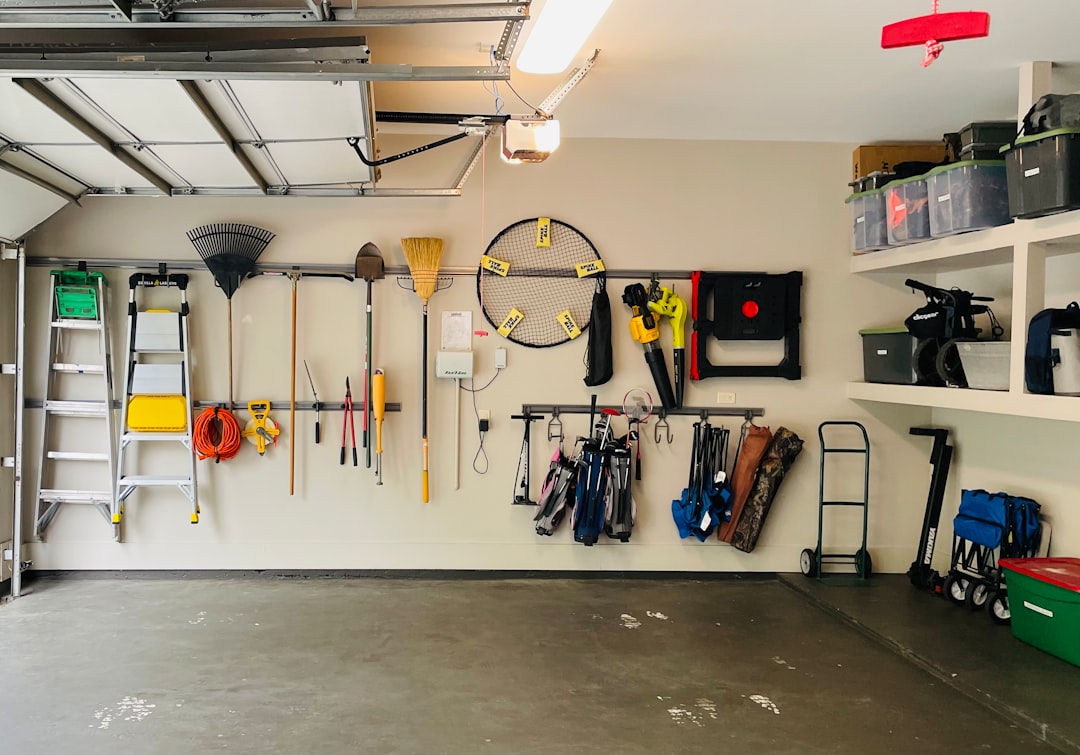
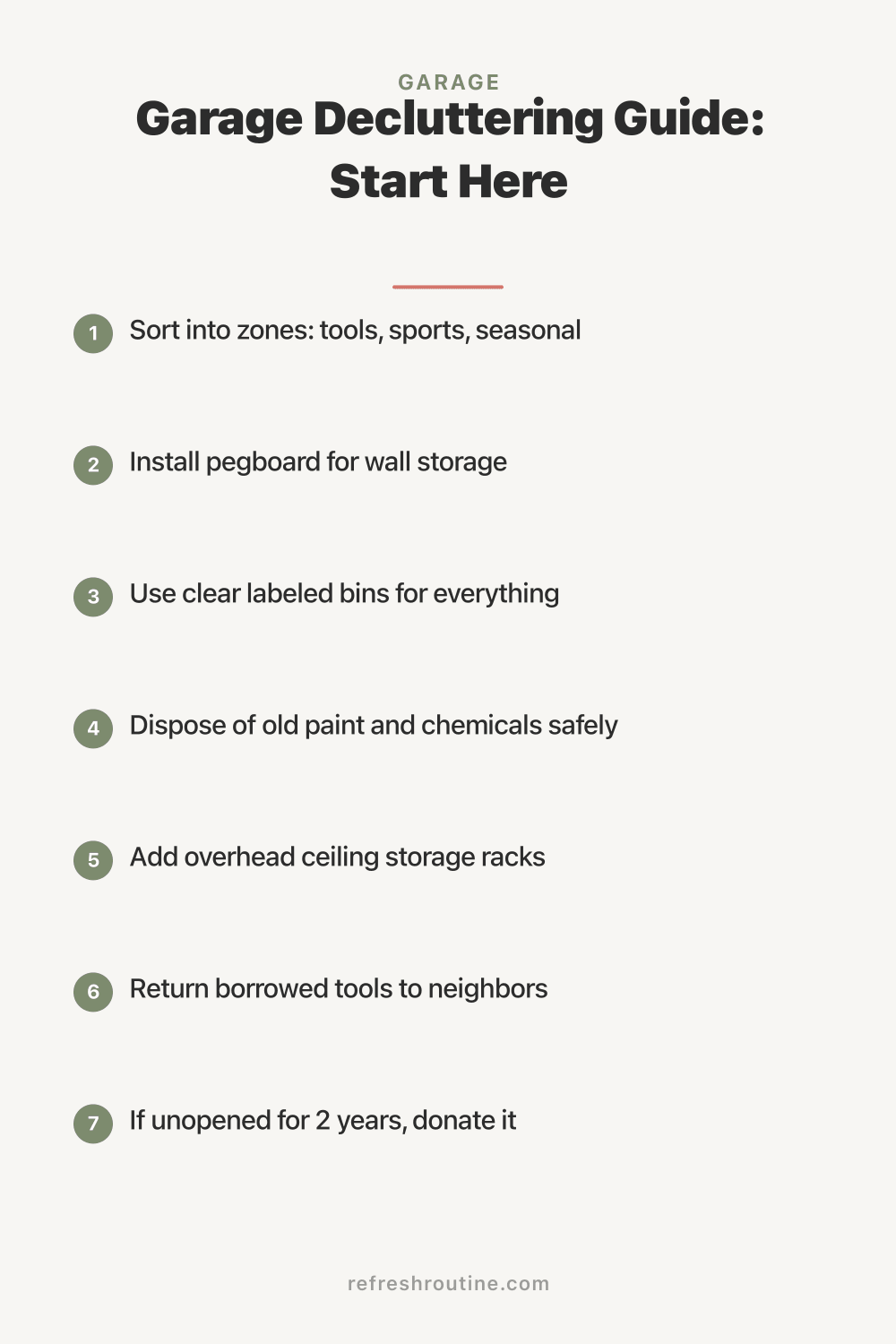
When my husband and I bought our house 8 years ago, the seller left half a garage full of “stuff he might need later.” We added our own stuff on top. Then we accumulated more over time. By year 5, the garage was a maze of bins, boxes, and forgotten projects.
The day we finally tackled it, we filled an entire pickup truck for the dump and another for donations. The garage felt twice as big when we were done. The key was not just deciding to declutter, it was having a method that actually worked for a garage.
Here is the weekend method I now recommend to anyone staring at an overwhelming garage.
Why Garage Decluttering Is Different
Garage decluttering is harder than other rooms because:
- Items are larger and harder to move
- Stuff is often dirty, dusty, or covered in cobwebs
- Decisions involve more emotional baggage (kids’ old bikes, dad’s tools)
- Weather and pests have damaged some items
- You might not know what is in sealed boxes
According to the American Cleaning Institute, garages are the most commonly cluttered space in American homes. You are not alone in this struggle.
The good news: garage decluttering creates the biggest visual transformation of any room. Three hours of work shows dramatic results because the space is so large.
What Is the Best Day to Declutter a Garage?
The best day to declutter a garage is a cool Saturday with no rain in the forecast. Start early (7 to 8 AM) before the heat. Cool weather lets you spread everything onto the driveway without worrying about sun damage to items. Saturdays give you Sunday as backup if you need more time.
The 4-Step Garage Decluttering Method
Step 1: Schedule It and Get Supplies
You cannot fit garage decluttering into a normal Saturday. Block off 4 to 6 hours minimum, with a backup day in case you run long.
Supplies needed:
- 6 to 10 sturdy contractor trash bags
- Work gloves
- Dust mask
- Tarp or blanket for the driveway
- Sharpie marker
- A truck or large car (or know who you can borrow one from)
- Water and snacks
Step 2: Empty Everything Out
Open the garage door. Take everything out and put it on the driveway, lawn, or tarp. Yes, everything.
I know this feels extreme, but it is the only way. You cannot reorganize while items are still in the chaotic state. Empty space lets you see how much you actually have and shows you the garage’s true capacity.
If weather is iffy, you can do this in 4 zones, processing one zone at a time. But all-at-once is faster.
Step 3: Sort by Category, Not Location
Group similar items together. Common categories:
- All tools in one pile
- All sports/outdoor gear together
- All paint and chemicals together
- All gardening supplies together
- All holiday decorations together
- All boxes labeled “saving for later” in one pile
- All sentimental items together
Once items are grouped, the duplicates become obvious. You will likely find 3 hammers, 2 screwdriver sets, and 5 random extension cords.
Step 4: Make Decisions Fast
For each category, sort into 4 piles:
- Keep: Items you actually use and have a place for
- Donate: Working items you have not used in 1+ years
- Trash: Broken, expired, or unusable
- Sell: High-value items worth listing on Facebook Marketplace
Speed matters. Slow decisions become permanent indecision. For more on quick decision-making, see our decluttering starter guide.
What to Toss From Your Garage Right Now
The master list of garage items that almost always need to go:
Chemicals and Paint:
- Paint over 2 years old (it has separated and gone bad)
- Expired pesticides and herbicides
- Old motor oil (must be disposed at auto shops)
- Dried glue, caulk, and adhesives
- Half-empty propane tanks (recycle properly)
The EPA recommends checking with your local hazardous waste program for proper disposal. Most cities have free drop-off days.
Tools:
- Rusted tools beyond repair
- Duplicate hand tools
- Tools you bought for one project years ago
- Bent or broken tools
- Cheap tools you replaced with better versions
Sports Equipment:
- Bikes the kids outgrew
- Broken or stretched-out helmets (replace every 5 years anyway)
- Sports equipment for activities you no longer do
- Camping gear that has mildew
- Pool toys with holes
Old Storage:
- Empty boxes from electronics over 1 year old
- Plastic bins with broken lids
- Crumbling cardboard boxes
- “Moving boxes” you saved (if you have not moved in 3 years)
Random Stuff:
- Cords for electronics you no longer own
- Phone chargers that do not match anything
- Light bulbs you cannot remember buying
- Mystery keys
- Holiday decorations damaged by storage conditions
- Outgrown kid items not worth donating
How Do You Get Rid of Garage Stuff Fast?
Get rid of garage items fast by scheduling pickup before you start. Call 1-800-Got-Junk or schedule a bulk trash pickup with your city. Post 3 items on Facebook Marketplace each evening during decluttering. Drop a carload of donations at Goodwill the same day you sort them. Speed up exit, speed up cleanout.
What I Wish I Knew
Lessons from multiple garage cleanouts.
Open every box before deciding. I almost donated a box thinking it was old clothes. It was our wedding photos and family albums. Now I check every sealed box even if it is labeled.
Pickup is faster than disposal. Hauling everything to the dump is exhausting. For $200 to $400, services like 1-800-Got-Junk come to your driveway. Worth every penny for a major cleanout.
Schedule donation drop-off the same day. Once items leave your house, you cannot second-guess your decisions. If donation bags sit overnight, things creep back into the garage.
Take photos before disposing of sentimental items. Old kid art, sports trophies, that craft project. Photos preserve the memory without the physical clutter.
Plan storage replacement before decluttering. As you toss broken storage bins, you will need replacements. Have your new shelves or hooks ready before you start so you can rebuild the system immediately.
What to Donate vs. What to Toss
The donate vs. toss line is sometimes confusing. Use these rules:
Donate if the item:
- Is in good working condition
- Has all parts
- Is something someone would actually buy used
- Is not stained, broken, or covered in mold
Toss if the item:
- Is broken or damaged
- Has rust, mold, or pest damage
- Is missing critical parts
- Is more than 10 years old (most thrift stores cannot accept)
Goodwill, Salvation Army, and Habitat for Humanity ReStore accept tools and outdoor gear. Schools sometimes accept sports equipment for PE classes. Senior centers might want gardening tools.
Common Garage Decluttering Mistakes
Mistakes I have seen (and made):
- Tackling too much at once: 8-hour sessions lead to burnout and bad decisions
- No exit plan for items: Donations sit in the garage for months
- Putting items back without organizing first: Just creates a new mess
- Keeping “valuable” items that have no market: Vintage tools usually are not worth what you hope
- Tossing without sorting: Wastes recyclables and donations
- Doing it alone: A partner or friend speeds the process 3x
Setting Up After Decluttering
Once items are sorted, the empty garage feels amazing. Resist the urge to immediately put everything back. Plan first.
Use this order:
- Sweep and clean the empty garage
- Plan your zones (see garage zones guide)
- Install storage systems (pegboard, shelves, overhead racks)
- Place items back in their assigned zones
- Add labels and floor markings
Our budget garage organization guide covers exactly what to buy and install.
Key Takeaway
Garage decluttering feels overwhelming because of the scale, not the difficulty. Empty everything onto the driveway, sort by category not location, make decisions fast, and remove items the same day. A weekend of focused effort can transform years of accumulated clutter. The key is having a method, supplies, and a disposal plan before you start. Schedule your declutter weekend now and circle it on the calendar.
After decluttering, build your new system with our garage zones plan and pegboard wall guide.

Frequently Asked Questions
Where do I start decluttering my garage?
Start with a single category, not a single area. Pick something easy like old paint cans or broken tools. Process the whole category at once, then move to the next. This is faster than tackling random piles and creates visible wins quickly.
How long does it take to declutter a garage?
A typical 2-car garage takes 6 to 10 hours to fully declutter when done in one weekend. Split it into 2 days of 4 to 5 hours each, or 4 weekends of 2 hours. Working in shorter sessions prevents burnout.
What should I throw away from my garage?
Toss expired paint, dried-out chemicals, rusted tools, broken sports equipment, half-empty containers from products you no longer use, cardboard boxes (unless you need them for moving), bent fishing rods, dried glue, and anything you have not touched in 2 years.