Kitchen Towels Organization: Clean, Sorted, Sustainable
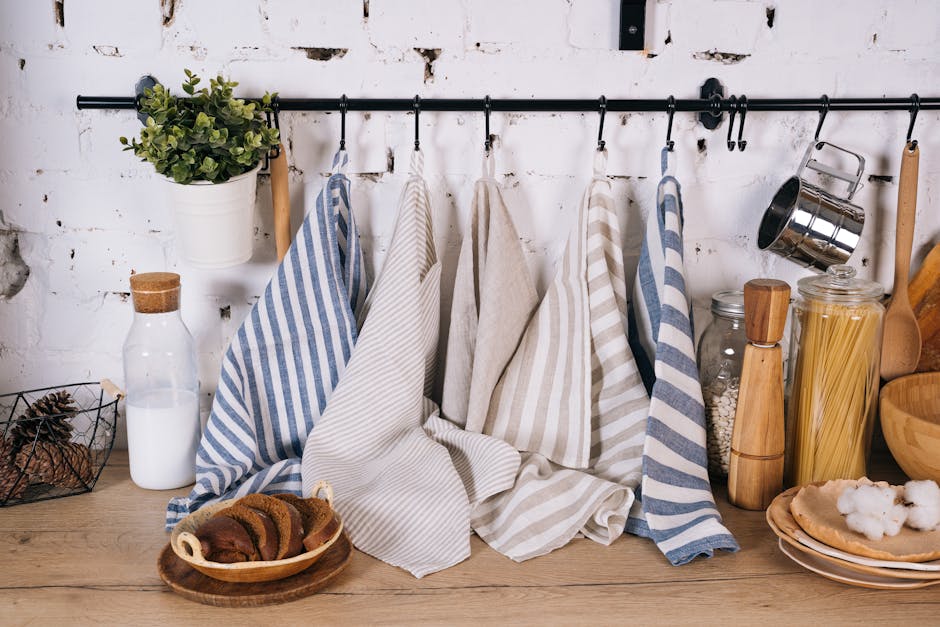
For years our kitchen towels were a free-for-all. Hand towels became dish towels became cleaning rags. One towel might wipe my hands after handling raw chicken, then dry the dishes next.
The problem was system, not the towels. Here is the organization that keeps kitchen towels clean, sorted, and useful.
Why Kitchen Towel Organization Matters
Disorganized towels cause real problems:
- Bacterial cross-contamination: Raw food residue spreads via towels
- Food poisoning risk: Towels can carry harmful bacteria
- Inefficient cleaning: Wrong towel for the job
- Waste: More paper towels needed when cloth not available
- Visual clutter: Random towels create kitchen chaos
- Stained towels: Mixed use creates permanent stains
According to USDA research, kitchen towels can carry up to 10x more bacteria than toilet seats. Separating towels by purpose dramatically reduces cross-contamination risk.
What Is the Best Kitchen Towel System?
The best kitchen towel system separates towels by specific purpose: hand-drying towels (changed daily), dish-drying towels (rotated every 2 to 3 days), and cleaning rags (used for one task, then washed). Color-coding helps prevent mixing. Each category has its own designated storage and washing schedule.
The Kitchen Towel System
Step 1: Audit Current Towels (10 min)
Pull every kitchen towel from your home:
- Drawers
- Linen closets
- Hidden in cabinets
- Behind appliances
- Bathroom (if shared)
You probably have more than you realized.
Step 2: Sort by Condition (15 min)
Keep:
- Clean towels in good condition
- Specific-purpose towels (oven mitts, etc.)
Use as rags:
- Slightly stained towels
- Older towels still functional
- Towels you no longer love for dish drying
Donate:
- Items in good condition you do not use
- Decorative towels not used
Toss:
- Heavily stained
- Frayed beyond use
- Bacteria-prone old towels
Step 3: Establish Categories (5 min)
Define 3 to 4 categories:
Hand towels: Used after washing hands, drying produce Dish towels: Used for drying dishes only Cleaning rags: Used for cleaning surfaces, spills Oven mitts: Used for heat protection
Step 4: Color-Code (10 min)
Assign a color to each category:
- White hand towels
- Gray dish towels
- Colored cleaning rags
- Red oven mitts
This visual coding prevents mixing.
Step 5: Set Up Storage (15 min)
Hand towels: Hooks or rod near sink, accessible Dish towels: Drawer near dishes, easy access Cleaning rags: Separate drawer or hook in cleaning area Oven mitts: Designated spot near oven
Step 6: Establish Washing Routine
Hand towels: Wash daily, change at end of each day Dish towels: Rotate every 2 to 3 days Cleaning rags: Wash after each use Oven mitts: Wash monthly or as needed
What I Wish I Knew About Kitchen Towels
After 5 years of refining this system, here is what helped most.
Color-coding works. I previously used random towels for everything. Now color-coded by purpose. Family understands and uses correctly.
More towels means less stress. I have 6 of each category. Always one available. The hassle of running out causes the chaos.
Hand towels need to be cycled daily. Damp hand towels grow bacteria. Daily rotation prevents the bacterial buildup.
Microfiber cleaning rags outperform. 12 microfiber cloths ($30) replaced thousands of paper towels.
Stained towels become rags, then trash. The hierarchy means kitchen towels last longer; stained towels still serve as rags before final retirement.
Recommended Quantity by Function
Hand Towels (4-6)
Used for:
- Hand drying after washing
- Quick fruit/vegetable washing
- Drying off after dishes
Wash: Daily
Dish Towels (4-6)
Used for:
- Drying clean dishes
- Wiping clean surfaces (counter)
- Lining baskets for produce
Wash: Every 2 to 3 days
Cleaning Rags (8-12)
Used for:
- Wiping spills (not food)
- Cleaning surfaces with cleaners
- General cleanup
Wash: After each use
Oven Mitts (2-3)
Used for:
- Hot pans and pots
- Hot baking dishes
- Hot serving items
Wash: Monthly
How Do You Prevent Bacterial Cross-Contamination?
Prevent bacterial cross-contamination with separate towels for specific purposes (hand washing, dish drying, cleaning surfaces), daily rotation of hand towels, hot washing with bleach or vinegar, and never using one towel for everything. The biggest risk is using a hand towel that touched raw food residue to dry dishes. Separation by color prevents this.
Towel Storage Solutions
Hooks Near Sink
Wall-mounted hooks for hand towels. 2 to 4 hooks for rotation.
Cost: $10 to $25 Best for: All kitchens
Drawer Storage
Folded towels in dedicated drawer.
Best for: Dish towels, large collections
Towel Bar
Wall-mounted bar for daily towels.
Cost: $15 to $40 Best for: Hand towels, modern kitchens
Hidden Storage
Inside cabinet doors using hooks or hanging organizers.
Best for: Sleek aesthetic
Bin or Basket
Open bin for rolled or stacked towels.
Best for: Counter or shelf storage
Choosing Quality Towels
Cotton
Pros: Absorbent, durable, washable Cons: Slow drying, can hold odors Best for: Most kitchen uses
Linen
Pros: Quick drying, antibacterial properties, durable Cons: More expensive Best for: Premium kitchens
Microfiber
Pros: Highly absorbent, quick dry, antibacterial Cons: Can scratch some surfaces, less aesthetic Best for: Cleaning rags and dishes
Bamboo
Pros: Eco-friendly, antibacterial, soft Cons: Less common, more expensive Best for: Eco-conscious kitchens
Washing Kitchen Towels
Proper washing matters:
Hot water cycle: 130°F+ to kill bacteria Bleach or vinegar: Disinfecting agent Separate from clothing: Different washing routine Quick dry: Don’t leave damp Replace stained: They cannot be sanitized
For more on laundry, see our laundry mistakes guide.
When to Replace Kitchen Towels
Replace when:
- Visible stains beyond cleaning
- Persistent smell after washing
- Frayed edges or holes
- Heavily worn texture
- Bacterial concerns
- Yellowing despite bleach
Most quality cotton towels last 2 to 3 years with regular use. Microfiber lasts 3 to 5 years.
Common Kitchen Towel Mistakes
After helping family members:
Mistake 1: One towel for everything. Cross-contamination risk.
Mistake 2: No color coding. System fails.
Mistake 3: Not washing frequently enough. Bacteria multiply.
Mistake 4: Storing damp towels. Mildew develops.
Mistake 5: Keeping stained towels. They cannot be sanitized.
For more kitchen organization, see our kitchen cabinet organization and pantry organization guides.
Reducing Paper Towel Use
A good towel system reduces paper towel dependency:
Before: $20 to $40 per month on paper towels With towel system: $0 to $10 per month Savings: $120 to $360 per year
Plus environmental benefits.
Family Towel Strategy
For households:
Each person: Own hand towel Shared dish towels: Color-coded for the family Cleaning rags: Communal Kid towels: Lower height, accessible
For households with multiple cooks, having extra of each category prevents running out.
Seasonal Variations
Towel needs can vary:
Summer: More towels for fresh produce washing Winter: Heavier use for hot drinks and warm foods Holiday cooking: Extra dish towels for serving Cleaning seasons: Extra cleaning rags
Specialty Kitchen Towels
For specific purposes:
Oven mitts: Heat protection Pot holders: Trivet alternatives Apron: Body coverage Baking towels: Specific for floured surfaces Tea towels: Linen specifically for drying delicate items
Different from general kitchen towels but worth considering.
Building the System
Day 1: Audit and Sort (30 min)
Pull, sort, decide.
Day 2: Buy if Needed (1 hour)
Replace what’s missing. Color-code.
Day 3: Install Storage (30 min)
Mount hooks, set up drawers.
Day 4: Train Family (15 min)
Show the new system. Explain rules.
Day 5+: Maintain
Daily routine. Weekly check.
Key Takeaway
Kitchen towel organization prevents cross-contamination, reduces paper towel waste, and creates a clean cooking environment. Separate towels by purpose (hand drying, dish drying, cleaning rags, oven mitts) with color-coding to prevent mixing. Wash on appropriate schedules (hand towels daily, dish towels every 2 to 3 days, cleaning rags after each use). Keep 4 to 6 of each category for ample rotation. Total cost: $30 to $80 for a complete system. The setup takes 1 hour total. Replaces hundreds of dollars in annual paper towels while creating a healthier kitchen.
For more kitchen organization, see our kitchen cabinet organization and cleaning supplies organization guides.

Frequently Asked Questions
How many kitchen towels do you need?
Most kitchens function well with 6 to 12 kitchen towels: 4 to 6 dish towels (drying dishes, hands), 2 to 4 hand towels (separate from dishes), 2 to 4 cleaning rags. Heavy cookers may want more. Keep towels separated by purpose to prevent bacterial cross-contamination.
What is the best way to organize kitchen towels?
Organize kitchen towels by separating them into purpose-specific zones: hand towels by sink (cycle daily), dish towels in drawer near dishes (rotate weekly), cleaning rags in dedicated cleaning area (separate from food prep). Color-coding by purpose makes the system foolproof.
How often should you wash kitchen towels?
Wash kitchen towels every 1 to 2 days for hand towels, every 2 to 3 days for dish towels, and after each use for cleaning rags. Bacteria multiply quickly on damp towels. Run a hot wash with bleach (when allowed) or vinegar to kill germs. Stained or smelly towels need replacement, not washing.