Spice Rack and Spice Drawer Organization Ideas
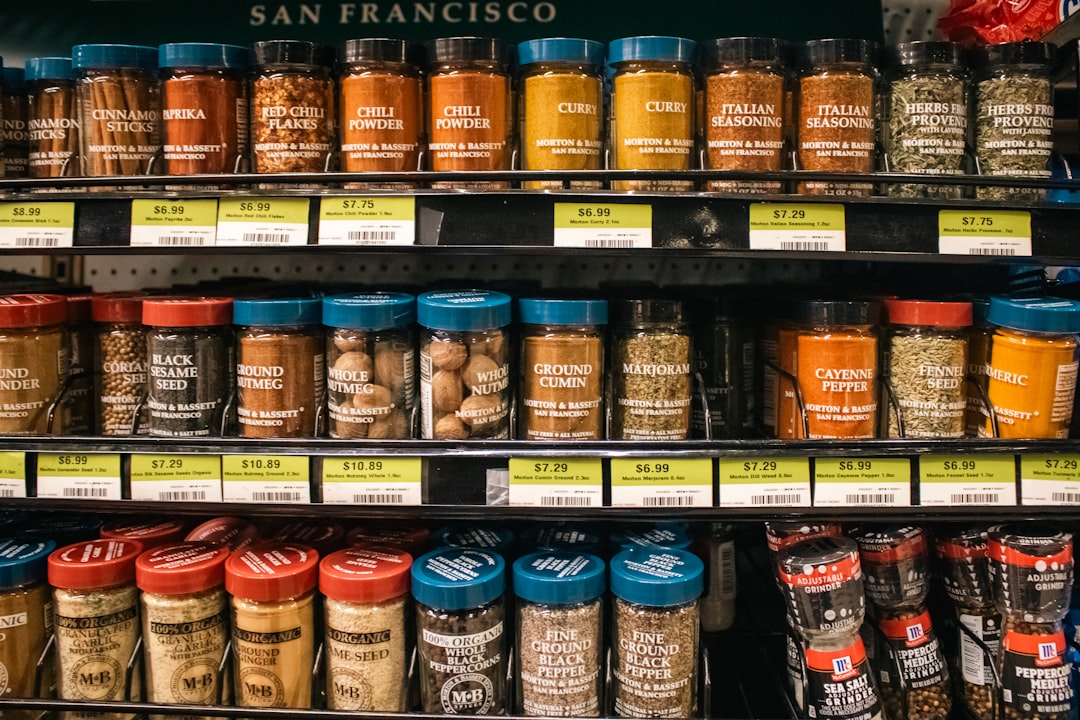
For years, my spice cabinet was a graveyard. Random jars stacked three deep. Duplicates I forgot I had. Spices from 2018 that had lost all their flavor. Every recipe required excavation.
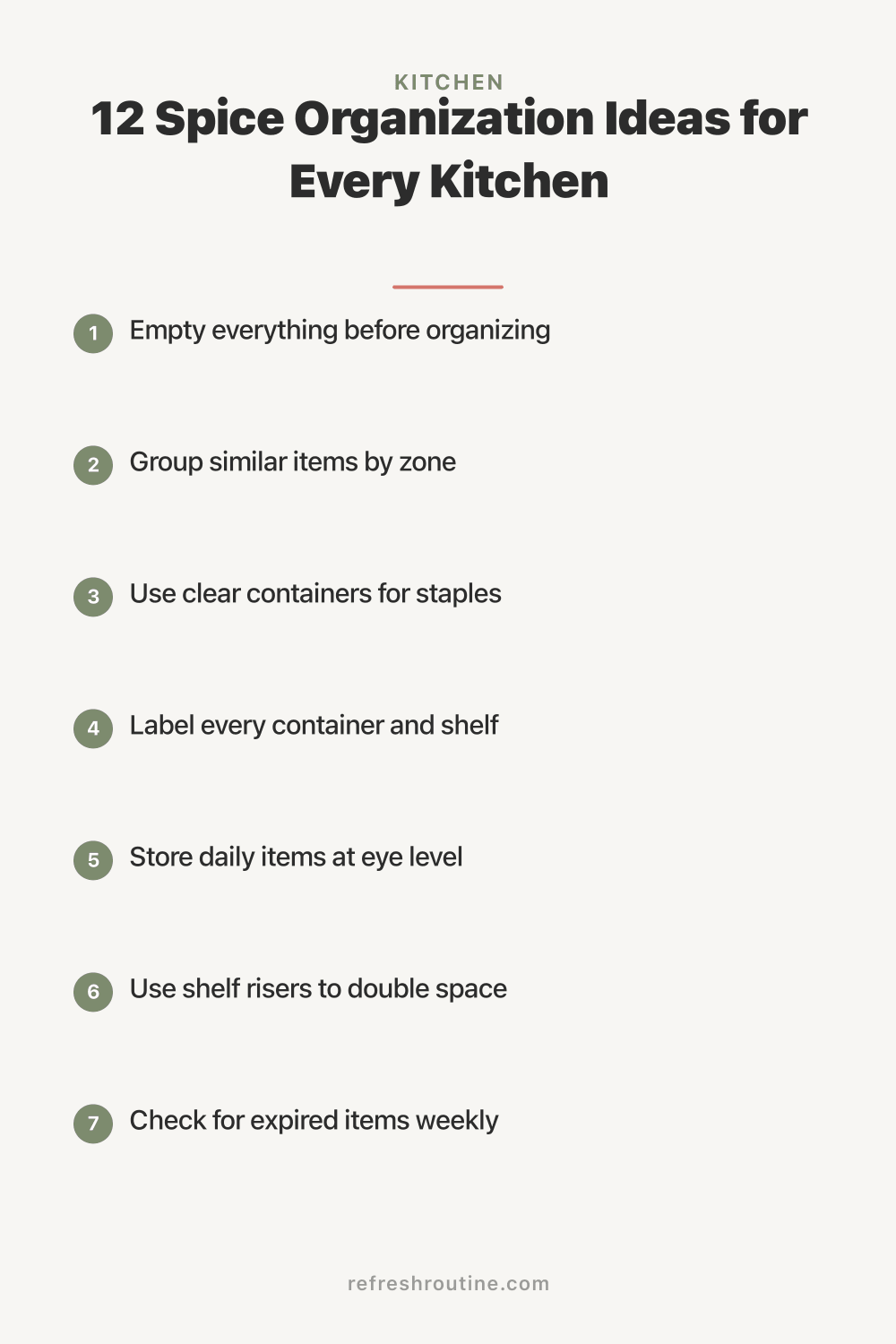
After trying multiple systems, I finally landed on one that has stayed organized for 18 months. Spices are visible, accessible, and fresh. Here are the 12 spice organization ideas worth trying, ranked by what actually works in real life.
Why Spice Organization Matters
Disorganized spices cost you more than time:
- You buy duplicates because you cannot see what you have
- Spices expire before you use them (wasted money)
- Recipes get skipped because you cannot find an ingredient
- Cooking takes longer with constant searching
According to a USDA study, spices lose 50% of their flavor potency within 12 to 24 months. The average pantry has spices 3+ years old that contribute almost nothing to recipes. Smart storage makes you actually use what you have.
What Is the Best Spice Organizer?
The best spice organizer is a tiered drawer insert that holds jars on their sides with labels visible on top. This shows all spices at once, takes minimal kitchen real estate, keeps spices in a cool dark drawer, and looks neat. Drawer inserts cost $25 to $50 and dramatically reduce spice chaos.
12 Spice Organization Ideas
1. Tiered Drawer Insert (Best Overall)
A drawer with angled tiers holds spice jars on their sides. Labels face up, visible at a glance. No standing or digging.
Cost: $25 to $50 depending on drawer size. Best fit: any kitchen with an empty drawer. This is what I use and it has been life-changing.
2. Spice Rack Inside the Cabinet Door
The inside of an upper cabinet door is usually unused. Mount a 3-tier spice rack ($25) that hangs from the shelf above. Frees the cabinet shelves for other items.
Best fit: kitchens with limited drawer space.
3. Magnetic Spice Jars
Small magnetic spice tins stick to a metal panel on the wall, fridge side, or inside of a cabinet door. Compact, visually appealing, and visible.
Cost: $30 to $50 for 12 jars with magnets. Best fit: small kitchens where wall space is your only option.
4. Lazy Susan in the Cabinet
A two-tier turntable in your cabinet rotates to bring back spices forward. Stores 30 to 50 spices in a fraction of the standing-jar footprint.
Cost: $20 to $40. Best fit: deep cabinets where back spices get lost.
5. Pegboard Spice Display
Mount a small pegboard with shelves designed for spice jars. Customizable, expandable, and looks intentional.
Cost: $40 to $75. Best fit: open kitchens where you want a styled spice wall.
6. Stepped Riser Shelf
A wooden or plastic stair-stepped riser inside a cabinet lifts back rows so you can see them. Spices stand up but the back row is elevated.
Cost: $15 to $25. Best fit: budget upgrade for existing standing-jar systems.
7. Pull-Out Spice Drawer
A narrow pull-out spice drawer ($75 to $150) installs in any base cabinet between other cabinets. Pulls out to reveal vertical spice storage.
Best fit: kitchens being renovated or replaced cabinets.
8. Counter Spice Carousel
A countertop turntable holds 20+ spices in a small footprint. Convenient for the active cook who reaches for spices constantly.
Cost: $25 to $60. Best fit: avid cooks who do not mind counter clutter.
9. DIY Mason Jar Spice Wall
Mount metal lids of mason jars to the underside of an upper cabinet. Fill mason jars with spices. Twist them onto the lids.
Cost: under $30 with jars you already have. Best fit: rustic kitchens with DIY aesthetic.
10. Spice Tin Labels on Top
Use plain matching spice tins (round metal containers) with labels on the top (not the side). Stack in a drawer or shallow cabinet. The label on top is visible from above.
Cost: $20 for 24 matching tins. Best fit: minimalist kitchens where matching containers matter.
11. Test Tube Spice Rack
For statement design, glass test tubes in a wooden holder hold small amounts of frequently used spices on the counter.
Cost: $40 to $80. Best fit: home cooks who want their kitchen to look like a chef’s lab.
12. Two Spice Zones
For active home cooks, split spices into:
- Daily use: Salt, pepper, garlic, onion, cinnamon, paprika (counter or stovetop area)
- Recipe-specific: Everything else (drawer or cabinet)
This separation makes everyday cooking faster while keeping rarely-used spices organized.
How Do You Label Spices?
Label spices with name and expiration date. Use:
- Pre-printed adhesive labels ($10 for 100)
- Label maker stickers (most professional look)
- Handwritten with permanent marker on chalkboard labels
- Printable labels from your computer
Always include the date you opened the spice. Add the expected expiration (year for ground, 2 years for whole).
What I Wish I Knew
After trying 5 different spice systems.
Pretty matters less than functional. I splurged on matching glass spice jars early on. Looked beautiful, was a nightmare to refill. Now I use simple plastic tubes in the drawer system. Function over form.
Replace spices more often than you think. That ancient paprika from 4 years ago tastes like dust. Replace ground spices every 2 years and whole spices every 4. The flavor difference is dramatic.
Buy whole spices, grind as needed. Whole spices last 2 to 3 times longer than ground. A small spice grinder ($25) lets you grind fresh. Better flavor and longer shelf life.
Bulk bins save serious money. Buying spices in bulk bins (where you fill your own container) costs 50 to 70% less than pre-packaged. Worth the small effort of decanting.
Inventory before shopping. Before any grocery trip, check the spice drawer. Saved me from buying my 4th jar of cumin.
How Often Should You Reorganize Your Spices?
Reorganize your spices once a year, ideally at the start of January or after a major holiday baking season. Toss anything over 3 years old, consolidate duplicates, replace faded labels, and wipe down jars. This annual reset takes 30 minutes and keeps the system functional year-round.
Spice Storage Mistakes to Avoid
Common spice storage problems:
- Above the stove: Heat and steam degrade spices fast
- Near the dishwasher: Heat and steam, same problem
- In direct sunlight: Light breaks down volatile oils
- In glass on a sunny shelf: Same as above
- Without labels: Forgetting what is in unlabeled jars
- Mixed with other items: Spices lose to bulkier items
The ideal storage spot: cool, dark, dry, and easily accessible. A drawer is usually the best location.
Building Your Spice Collection
If you are starting fresh, prioritize these 20 spices:
Essential (must have):
- Salt
- Black pepper
- Garlic powder
- Onion powder
- Paprika (sweet)
- Cinnamon
- Cumin
- Oregano
- Basil
- Bay leaves
Highly useful:
- Chili powder
- Cayenne pepper
- Thyme
- Rosemary
- Ginger (ground)
- Nutmeg
- Red pepper flakes
- Italian seasoning blend
- Dried parsley
- Curry powder
Beyond 20 spices, you start running into expiration issues. Stick to what you actually use.
For more cabinet ideas to pair with your spice system, see our kitchen cabinet organization guide.
DIY Spice Refilling System
For long-term cost savings, set up a refill system:
- Buy a base set of nice spice jars (24-pack for $30)
- Buy spices in bulk from a co-op or bulk store
- Refill jars from bulk containers
- Date each refill on the bottom of the jar
- Store bulk supplies in airtight bags or backup jars
Initial setup: $75 for jars + bulk supply. Saves about $150 per year in spice costs while maintaining freshness.
Key Takeaway
The best spice organization system is one you will actually maintain. For most kitchens, a tiered drawer insert wins because it shows everything at once and stores spices in optimal conditions (cool, dark, dry). Magnetic spice walls and lazy Susans are also excellent for specific situations. Whatever system you choose, declutter old spices first, label clearly with dates, and store away from heat and light. Start with a 30-minute spice purge this weekend. The results are immediate.
For complete kitchen organization, see our pantry organization guide and refrigerator organization.

Frequently Asked Questions
What is the best way to organize spices?
The best way to organize spices is in a tiered drawer insert where jars lay on their sides with labels visible on top. This shows all spices at once, takes minimal counter space, and prevents the digging that happens with standing jars in cabinets.
How long do spices last?
Whole spices last 3 to 4 years, ground spices last 2 to 3 years, dried herbs last 1 to 3 years, and spice blends last 1 to 2 years. Most people have spices that are 5+ years old. They lose flavor over time, so old spices waste recipes.
Should spices be stored in the cabinet or on the counter?
Store spices in the cabinet, drawer, or dark cupboard. Heat, light, and moisture degrade spices fast. The counter near the stove (the most popular location) is actually the worst because of heat and moisture from cooking. Store cool and dark for maximum freshness.