Small Laundry Room Organization Ideas
My laundry room is 5 feet by 7 feet. That’s 35 square feet of space that somehow needs to fit a washer, dryer, detergent, cleaning supplies, an ironing board, a drying rack, and about six loads of laundry in various stages of completion. For the first two years in our house, it was a cramped, frustrating mess.
Then I got serious about small laundry room organization, and everything changed. Not because I remodeled or bought expensive systems, but because I started thinking vertically and creatively about every inch of available space. Here are the ideas that actually worked in my tiny laundry room.
According to the National Association of Home Builders, the average laundry room in new homes is about 50 to 60 square feet. But many older homes and apartments have laundry spaces half that size. If your laundry room feels impossibly small, you’re not alone. The EPA’s Safer Choice program can help you find concentrated, space-saving laundry products that perform well in smaller quantities, which means fewer bulky bottles taking up your limited shelf space.
1. Shelving Above the Washer and Dryer
This is the most impactful change I made, and it cost under $30. I installed two floating shelves above my front-loading washer and dryer. The lower shelf holds daily essentials (detergent, stain remover, dryer sheets), and the upper shelf stores less-used items (special detergents, seasonal fabric softeners, replacement filters).
Installation tips:
- Mount shelves at least 18 inches above the top of the machines to allow lid clearance
- Use anchors rated for 30+ pounds if you can’t hit studs
- Keep the most-used items at eye level
Cost: $15 to $30 for two basic floating shelves.
2. Over-the-Door Organizer
The back of the laundry room door is free real estate that most people ignore. I hung a clear pocket organizer (the kind sold for shoes) on my door, and it holds dryer sheets, stain sticks, lint rollers, sewing kits, and small bottles of specialty cleaners.
The clear pockets let me see everything at a glance, and the vertical orientation means zero floor or counter space is used. This was a $12 solution that I wish I’d implemented years ago.
Does a Small Laundry Room Need a Folding Area?
Yes, even tiny laundry rooms benefit from a folding surface. Folding clothes immediately out of the dryer reduces wrinkles and prevents the dreaded “clean laundry mountain” on the couch. In a small space, a fold-down wall-mounted table (about $30 to $50) provides a full folding surface that stores flat against the wall. Alternatively, a shelf placed across the tops of front-loading machines creates an instant folding station at no extra cost.
I used a cut-to-fit piece of plywood across my machines for a year before upgrading to a proper counter. Even that basic setup saved me from carrying every load to the kitchen table for folding.
3. Slim Rolling Cart
The narrow gap between my washer and dryer (about 4 inches wide) was dead space until I bought a slim rolling cart. These carts are about 3 to 5 inches wide and slide into gaps that nothing else fits. Mine holds lint rollers, a stain treatment pen, and extra dryer sheets.
Cost: $15 to $25 for a 3-tier slim cart.
I also have a slightly wider rolling cart (about 8 inches) between the dryer and the wall. It holds a small trash can for dryer lint and a basket for items found in pockets. My kids leave the most interesting things in their pockets. I’ve found rocks, LEGO pieces, candy wrappers, and once, a live caterpillar.
4. Wall-Mounted Drying Rack
A wall-mounted accordion drying rack folds flat against the wall when not in use and extends out to hold delicates, hand-wash items, and things that can’t go in the dryer. Mine extends about 22 inches from the wall when open and is practically invisible when closed.
Cost: $20 to $40.
Best placement: Mount it on the wall opposite the washer and dryer, at shoulder height. This keeps the walking path clear when the rack is extended.
I also added a retractable clothesline across the room for longer items like dresses and pants. It cost $8 and retracts into a small housing when not in use. Between the drying rack and the clothesline, I can air-dry a full load without a standalone drying rack taking up floor space.
5. Labeled Containers for Supplies
Transferring detergent, pods, and dryer sheets into clear, labeled containers made my laundry room look twice as organized. The original packaging is bulky, mismatched, and often half-empty. Clear containers stack neatly, look clean, and show you exactly how much of each product remains.
My container setup:
- Large jar for detergent pods
- Small container for dryer sheets
- Spray bottle for homemade stain treatment
- Small bin for delicates bags
Cost: $10 to $20 for a set of containers.
According to a survey by the American Cleaning Institute, 73% of Americans do laundry at least once a week. Streamlining your laundry supplies means you interact with a more efficient system dozens of times per month.
6. Sorting System That Fits
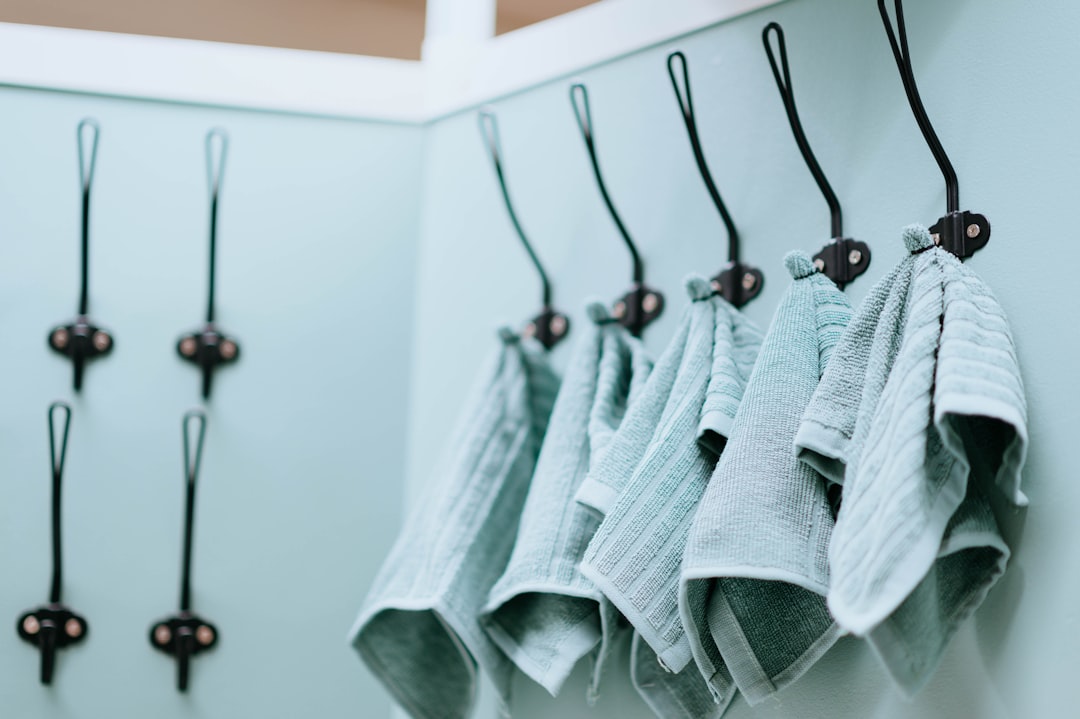
In a small laundry room, traditional multi-bin laundry sorters are too bulky. Instead, I use a two-bag system: one for darks and one for lights. The bags hang from hooks on the wall rather than sitting on the floor in a hamper.
This wall-mounted approach saves about 4 square feet of floor space. For a deeper dive into sorting methods, our laundry sorting systems guide covers several approaches for different family sizes.
7. Magnetic Storage on Machines
If your washer and dryer have metal sides, magnetic bins and hooks add storage without drilling. I have a magnetic pencil cup on the side of my dryer that holds pens (for signing school forms right out of backpacks), a small magnetic bin for change from pockets, and a magnetic hook for my measuring cup (for liquid detergent).
Cost: $5 to $15 for a set of magnetic accessories.
How Much Storage Does a Small Laundry Room Need?
A small laundry room needs enough storage for a two-week supply of laundry products plus specialized items like stain remover, delicates bags, and an iron. For most families, this means about 4 to 6 cubic feet of shelf space and a few hooks or hangers for air-drying. Avoid stockpiling bulk quantities in a tiny space. Instead, keep a backup of essentials in a hall closet or garage and refill your laundry room supplies as needed.
I made the mistake of buying bulk detergent and trying to store it all in my laundry room. The giant container took up an entire shelf. Now I keep a manageable amount in the laundry room and store the backup in the garage.
8. Ironing Board Solutions
A full-size ironing board does not belong in a small laundry room. Here are my alternatives:
- Over-the-door ironing board ($25 to $40): Hangs on the back of the door and folds down for use.
- Wall-mounted fold-down board ($30 to $60): Mounts to the wall at the right height and folds flat.
- Tabletop ironing pad ($10 to $15): A padded mat that turns any flat surface into an ironing board.
I use a tabletop ironing pad on my folding surface. It stores in a drawer when not in use, and for the amount of ironing I actually do (not much, honestly), it’s more than sufficient.
9. Tension Rod for Hangers
A tension rod mounted above the washer and dryer creates an instant hanging bar for items that come out of the dryer and need to be hung immediately. Dress shirts, blouses, and delicates go straight onto hangers and onto the rod, preventing wrinkles.
Cost: $5 to $10 for a tension rod.
Pro tip: Place the rod high enough that hangers don’t interfere with the tops of the machines. I mounted mine about 60 inches from the floor, which gives enough clearance for even long dresses.
10. Lost-and-Found System
Every family with kids needs a pocket-finds system. I have a small mason jar labeled “Pocket Finds” on my shelf. Coins, hair ties, LEGO pieces, and other treasures go in the jar as I empty pockets before washing. At the end of each week, the kids check the jar and claim their items.
This tiny addition prevented a lot of “where’s my…” conversations and saved our washing machine from some questionable items. For more laundry hacks for families, check out our family laundry schedule guide.
11. Pegboard Behind the Door
If your door opens flat against a wall, mount a small pegboard behind it. When the door is open, the pegboard is hidden. When you close it to do laundry, you have a wall of hooks, small shelves, and bins for supplies.
I put a 2x3 foot pegboard behind my laundry room door, and it holds a lint brush, small scissors, a sewing kit, and several hooks for delicates bags. It’s invisible 90% of the time and incredibly useful the other 10%.
12. Color-Coded Family Baskets
Each family member gets a small basket in their color. When I fold laundry, each person’s clothes go into their basket. They’re responsible for carrying their basket to their room and putting everything away. The baskets stack on the folding surface until pickup.
Cost: $3 to $5 per basket from a dollar store.
This system ended the problem of folded laundry sitting on the couch for three days. The baskets create accountability, and even my 4-year-old can carry his small basket to his room. It’s a lesson from my daily cleaning routine applied to laundry: small, distributed tasks beat one big overwhelming job.
What I Wish I Knew About Small Laundry Room Organization
-
Declutter before you organize. I had three bottles of detergent (two half-empty), a broken iron, and stain removers from 2019. Removing the unnecessary stuff first freed up more space than any organizer I bought.
-
Measure everything. I bought a shelf that was 1/2 inch too wide for the space above my machines. Measure twice, buy once. I keep a tape measure in my laundry room now.
-
Sound matters in a small space. My washer and dryer vibrate against the wall and shelves. Anti-vibration pads ($15 for a set of four) reduced the noise and kept items on shelves from walking off the edge.
-
Good lighting transforms a tiny room. I replaced the single dim bulb with an LED panel light, and the room went from cave-like to pleasant. You’re more likely to stay on top of laundry in a room you don’t dread entering.
Key Takeaway
Small laundry room organization is all about vertical space, multi-purpose solutions, and ruthless editing. Shelves above machines, over-the-door organizers, wall-mounted drying racks, and slim rolling carts maximize every inch. Clear containers and labeled systems keep supplies visible and accessible. You don’t need a bigger laundry room. You need a smarter one.
Explore More Laundry Solutions
Visit our laundry organization hub for all our guides in one place. Learn how a laundry sorting system can save you time each week, and grab our stain removal cheat sheet to keep posted right in your laundry room. For whole-house organization ideas, our room-by-room decluttering checklist is a great next step.

Frequently Asked Questions
How do you organize a very small laundry room?
Focus on vertical space first. Install shelves above the washer and dryer, add an over-the-door organizer, and use a slim rolling cart between appliances. Wall-mounted drying racks fold flat when not in use. Clear containers on shelves keep supplies visible and accessible without taking up counter space.
What should I store in my laundry room?
Store only laundry essentials: detergent, stain remover, dryer sheets, and a small basket for delicates. Add a lost-and-found jar for pocket items and a trash can for lint and dryer sheets. Keep ironing supplies if space allows. Move anything unrelated to laundry to another storage area.
How do I add counter space to a small laundry room?
Place a shelf or custom-cut board across the top of front-loading machines to create an instant folding surface. For top-loaders, install a wall-mounted fold-down shelf or table. A rolling cart with a flat top also provides portable counter space that tucks away when not needed.