Minimalist Home Checklist: What to Keep, What to Toss
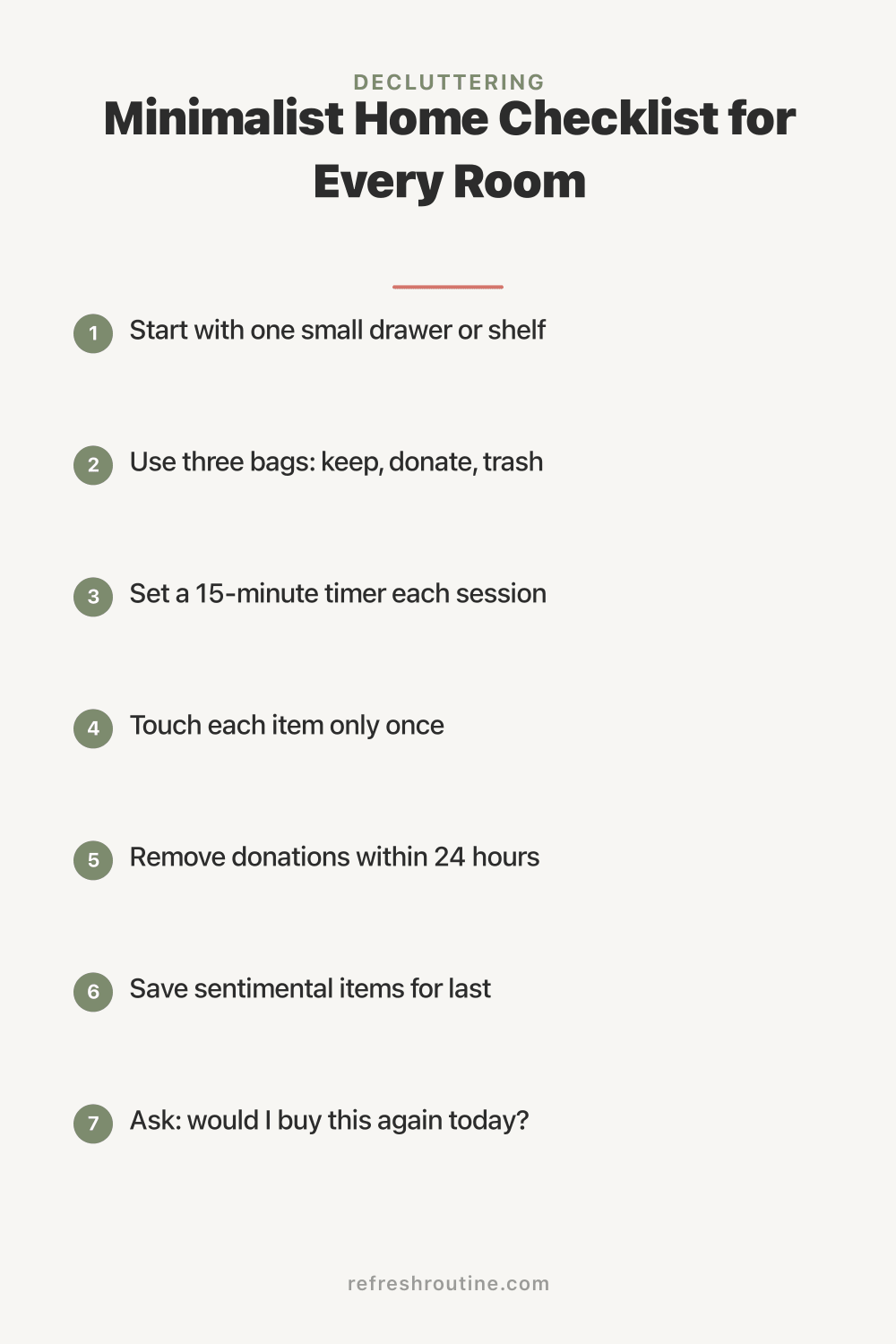
Three years ago I owned 412 items in my closet. I counted because I was curious. Today I own 67. The transition was not dramatic; it was a slow series of small decisions guided by a clear standard.
A minimalist home does not mean empty white rooms. It means every item in your home actively serves a purpose or actively brings you joy. Here is the complete checklist of what stays and what goes in a minimalist home.
What Defines a Minimalist Home
A minimalist home is intentional. Every object in the space has a clear reason to be there. The space feels calm because the brain is not constantly processing dozens of unrelated items.
According to research from Saxbe and Repetti (2010), cortisol levels measurably rise in cluttered homes. Minimalist homes do the opposite: they create the conditions for the nervous system to settle.
Minimalism is not about owning a specific number. It is about owning the right number for your life.
What Does a Minimalist Home Look Like?
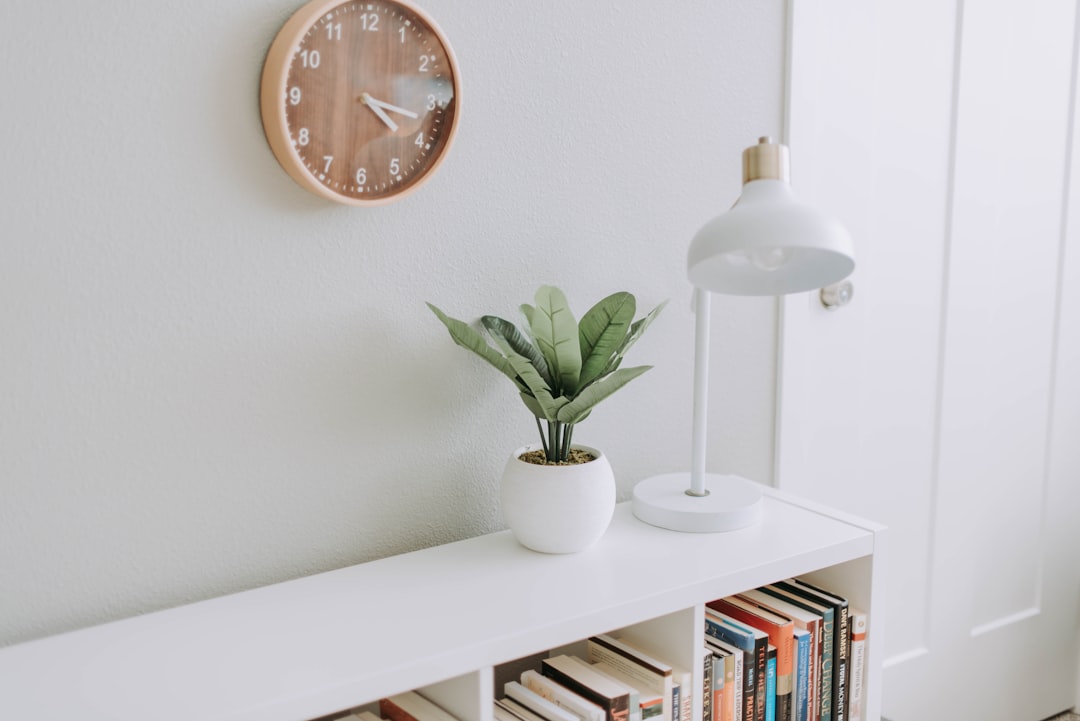
A minimalist home has clear surfaces in most rooms, intentional decor of 3 to 5 items per room, hidden storage for daily essentials, neutral or limited color palette, single-purpose furniture, and active maintenance through one-in-one-out rules. The home should feel calm and functional, not sterile. Some minimalists have plants and warm textures; others prefer ultra-clean lines. The aesthetic varies; the underlying intentionality does not.
The Minimalist Home Checklist Room by Room
Living Room
Keep:
- 1 sofa or seating that fits everyone
- 1 coffee table
- 1 to 2 lamps
- 1 piece of meaningful art
- 1 throw blanket
- 1 or 2 cushions
- 1 plant (optional but adds warmth)
- TV (if used) on a clean wall mount
- 1 small storage piece for current books/items
Remove:
- Extra throw pillows
- Decorative books you do not read
- Multiple side tables
- Excess electronics
- Magazines older than 1 month
- Decorative objects without meaning
- DVDs and CDs (digital alternatives exist)
- Duplicate remote controls
- Extra throw blankets
- Picture frames without current photos
Kitchen
Keep:
- 4 to 8 plates, bowls, mugs
- 4 to 8 sets of silverware
- 2 to 3 cooking pots
- 1 to 2 frying pans
- 1 chef’s knife, 1 paring knife, 1 bread knife
- 2 cutting boards
- 5 to 10 essential utensils
- 1 set of measuring cups and spoons
- 1 coffee maker or kettle
- 1 toaster
- Storage containers (matching set)
Remove:
- Single-use gadgets (banana slicer, avocado tool)
- Duplicate spatulas and utensils
- Mismatched dishes
- Chipped mugs
- Plastic cups from kid meals
- Cookbooks you do not use
- Appliances used less than monthly
- Expired food and spices
- Extra dish towels (keep 6 maximum)
- Tablecloths and placemats unused for 1 year
Bedroom
Keep:
- 1 bed and bedding (2 sets max)
- 1 nightstand per person
- 1 to 2 lamps
- 1 dresser per person
- 1 small mirror
- Current clothes in active rotation
- 1 piece of meaningful art
Remove:
- Excess decorative pillows
- Multiple blankets and throws (keep 2)
- Old clothes unworn for 1 year
- Excess shoes (keep 5 to 10 pairs)
- Decorative items on dressers
- TV (sleep is better without it)
- Books piled on the nightstand
- Excess hangers
- Mystery boxes under the bed
Bathroom
Keep:
- 1 shower curtain
- 2 towels per person
- 1 hand towel
- 1 bath mat
- Current toiletries in use
- 1 small shelf or cabinet for products
- 1 mirror
- 1 trash can
Remove:
- Hotel toiletries you collected
- Expired makeup and skincare
- Hair tools you do not use
- Multiple hairbrushes
- Old prescription bottles
- Decorative items that collect dust
- Excess towels (over 2 per person)
- Almost-empty product bottles
For specific bathroom strategies, see our bathroom decluttering guide.
Office or Workspace
Keep:
- 1 desk
- 1 ergonomic chair
- 1 computer or laptop
- Current paper files (in one slim folder)
- 5 to 10 quality pens
- 1 notebook in active use
- 1 lamp
- 1 plant
- 1 small inbox tray
Remove:
- Pens that do not work
- Duplicate notebooks with few pages used
- Outdated electronics
- Cables for devices you do not own
- Paper piles (file or shred)
- Decorative office supplies
- Books you have read or will not read
- Old business cards
- Owner manuals (online versions exist)
Closet
Keep (capsule wardrobe approach):
- 7 to 10 tops
- 4 to 6 bottoms
- 2 to 3 dresses (if applicable)
- 2 to 3 coats or jackets
- 5 to 10 pairs of shoes
- 1 small set of jewelry pieces
- 1 belt
- 2 to 3 bags (1 daily, 1 formal, 1 travel)
Remove:
- Clothes that do not fit
- Clothes for events you no longer attend
- Anything stained, pilled, or worn out
- Duplicates in the same color and style
- Bras with broken underwire
- Stretched out underwear and socks
- Wire hangers from the dry cleaner
- Sentimental clothing you never wear
For more, see our capsule wardrobe guide.
Garage and Storage
Keep:
- 1 ladder
- 1 basic tool kit
- Seasonal items (clearly labeled bins)
- Sports equipment in active use
- Outdoor furniture in active use
- Cleaning supplies
- 1 set of car maintenance items
Remove:
- Tools you have duplicates of
- Equipment for hobbies you quit
- Sports gear for sports no one plays
- Empty boxes
- Paint cans dried out
- Mystery items you cannot identify
- Storage containers without lids
For garage strategies specifically, see our garage decluttering guide.
What I Wish I Knew About Minimalism
After three years of living minimally, here is what surprised me.
Less stuff means less cleaning. My cleaning time dropped from 4 hours weekly to under 90 minutes. Fewer objects means less surface area to maintain.
The aesthetic does not have to be stark. I have warm wood furniture, plants, and one large painting. The space is minimal but feels lived in.
One-in-one-out is the maintenance secret. Without this rule, the home re-clutters within 6 months. Every new purchase requires an old item to leave.
The first 6 months are hardest. I felt the urge to “fill” the empty spaces. After 6 months, the calm became the default. Now empty space feels good, not sparse.
Quality over quantity is real. I spend more per item now. The 8 shirts I own are well-made and fit perfectly. I wear them weekly. Per-wear cost is far lower than my old approach.
How Do You Maintain a Minimalist Home?
Maintain a minimalist home through three habits: one-in-one-out (every new item means one leaves), a monthly 30-minute walk-through to identify and remove items that have crept in, and quarterly category-by-category reviews to ensure nothing is being kept out of inertia. Without active maintenance, even the most minimal home returns to cluttered within a year.
Common Minimalism Misconceptions
Myth 1: Minimalism means a specific aesthetic Reality: Minimalism is intentional ownership. The aesthetic varies.
Myth 2: Minimalism is anti-children Reality: Families can be minimalist. The standards adapt to family size and life stage.
Myth 3: Minimalism is about deprivation Reality: It is about owning what you love and use, not less for less’s sake.
Myth 4: You must own under 100 things Reality: Numbers vary by lifestyle. A skier needs more than a non-skier. The point is intentionality, not a count.
For specific approaches, see our KonMari method and Swedish death cleaning guides.
Key Takeaway
A minimalist home is one where every item earns its place. Use this checklist room by room, removing what you do not actively use or love. Aim for clear surfaces, intentional decor, and active maintenance. The goal is not a magazine-perfect empty house; it is a home that calms your nervous system and supports your daily life. Most people can complete the initial minimalist transition in 3 to 6 months of weekend sessions, then maintain with monthly check-ins. Start with one room this weekend. The first cleared space will tell you whether minimalism fits your life.
For where to begin, see our where to start decluttering guide and 100 things to declutter list.

Frequently Asked Questions
What does every minimalist home have?
Every functional minimalist home has clear surfaces, intentional decor (3 to 5 items per room maximum), single-purpose furniture, organized hidden storage, neutral or limited color palette, and an active one-in-one-out rule. The goal is calm, not empty. Each item earns its place by being used or loved.
How many clothes does a minimalist own?
A minimalist typically owns 30 to 100 pieces of clothing total, including shoes and accessories. Project 333 (popular minimalist capsule wardrobe) uses 33 items for 3 months. Many minimalists own under 50 pieces. The exact number matters less than wearing what you own consistently.
What is the 90/10 rule of minimalism?
The 90/10 rule says you use 10% of your possessions 90% of the time. Most homes have rooms where this is dramatically true (the kitchen with 4 daily-use items and 40 stored gadgets). Minimalism identifies the 10% you actually use and lets go of most of the other 90%.