Coffee Station Organization Ideas for Every Kitchen
I owned 27 coffee mugs. We used 4 daily. The other 23 lived in a cabinet I had to dig through every morning to find the daily mugs. The whole coffee process took 10 minutes longer than it should have.
A coffee station is not about Pinterest aesthetics. It is about morning efficiency. Here are the 10 organization ideas that turned our chaotic counter into a functional coffee zone.
Why Coffee Station Organization Matters
A disorganized coffee setup costs time and frustration:
- Morning time lost: 5 to 10 minutes searching for supplies
- Counter space wasted: Random items spread across the kitchen
- Stale beans or grounds: Coffee not stored properly
- Mug clutter: Far more mugs than ever used
- Daily frustration: Bad mornings start with bad coffee setups
According to a survey by the National Coffee Association, 64% of Americans drink coffee daily. The cumulative time spent on inefficient coffee routines adds up. An organized station saves 5 minutes daily = 30+ hours per year.
What Is the Best Coffee Station Setup?
The best coffee station setup contains everything needed for daily coffee in one defined zone, with frequently-used items at hand height, supplies in airtight containers, and minimal mug count (8 to 12 maximum). The station should be near a water source, have access to outlets, and be away from food prep areas. Cost typically ranges from $50 to $250 depending on existing supplies.
10 Coffee Station Organization Ideas
1. Use a Designated Tray (Best Quick Setup)
Place all coffee items on a single tray. The tray contains the station visually and physically. Easy to move when cleaning or rearranging.
Cost: $20 to $40 Best for: Renters, small kitchens, anyone wanting easy setup
2. Under-Cabinet Mug Hooks
Install hooks under upper cabinets to hang 6 to 8 favorite mugs. Frees cabinet space and creates visual display.
Cost: $10 to $25 Best for: Owners, daily-use mug collections, kitchens with upper cabinets
3. Coffee Bar Cart
A small rolling cart dedicated to coffee. Can be wheeled to different locations or stored when not needed.
Cost: $40 to $150 Best for: Apartments without dedicated counter space, parties
4. Vertical Shelving Above
If wall space is available above your station, add 1 to 2 floating shelves. Display coffee accessories, syrups, or cookbooks.
Cost: $25 to $60 Best for: Owners, modern kitchens with wall space
5. Pod or Pour-Over Organizer
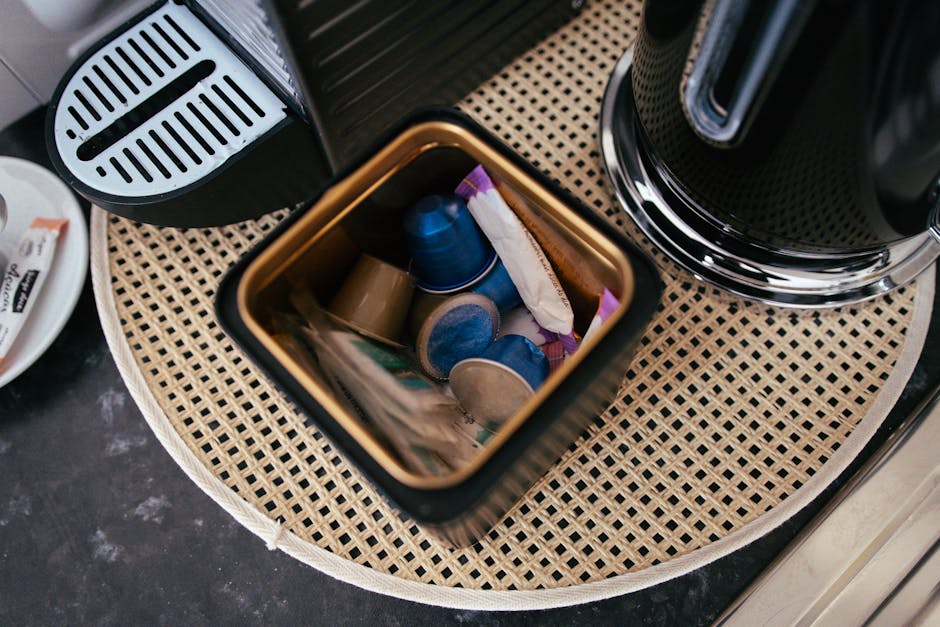
If you use coffee pods or single-serve filters, get a dedicated organizer. Holds 24 to 48 pods within reach.
Cost: $15 to $40 Best for: Pod coffee users (Keurig, Nespresso)
6. Airtight Bean Container
Coffee beans degrade fast from air, light, and humidity. Use an airtight container with a one-way valve to keep beans fresh.
Cost: $20 to $50 Best for: Anyone using whole beans
7. Coffee Filter Holder
Wall-mounted or counter-top filter holder organizes paper filters by size.
Cost: $10 to $20 Best for: Drip coffee makers, pour-over coffee
8. Cart with Coffee Bar Setup
A taller bar-height cart designed specifically for coffee includes shelving for everything needed.
Cost: $200 to $500 Best for: Coffee enthusiasts, dedicated coffee station investment
9. Built-In Cabinet Solution
If renovating, dedicate a cabinet or counter section to coffee. Wired outlets, paneled-in look, custom storage.
Cost: $300 to $1,500+ Best for: Owners doing kitchen renovation
10. Minimalist Single-Spot Station
For minimalists: coffee maker, 1 to 2 mugs, beans, and a spoon. No tray, no cart, just the essentials.
Cost: $30 to $50 Best for: Minimalist kitchens, single-person households
What I Wish I Knew About Coffee Stations
After 3 years of refining ours, here is what helped most.
Reduce mugs first. I had 27. Donated 23. Use 4 to 5. The cabinet was 10x easier to access immediately.
Hot water dispensers help. Adding a small hot water kettle expanded the station for tea, instant oatmeal, and more. Worth the $50 for the boiler.
Compost the grounds. A small countertop compost bin replaced the trash for coffee grounds. Cleaner, less trash, better for plants.
Beans need an airtight container. Generic plastic containers do not work. Get a proper coffee canister with valve. Beans stay fresh for 2 to 3 weeks instead of 5 days.
Decaf and regular separate. Mixed beans created chaos. Two containers, clearly labeled, prevents wrong-coffee mornings.
Building Your Coffee Station
Step 1: Audit Current Supplies
Pull every coffee-related item from your kitchen:
- All mugs (you probably have too many)
- Coffee makers, espresso machines, etc.
- Beans and grounds
- Filters and pods
- Sugar, sweetener, creamer
- Syrups and flavorings
- Stirring tools
- Storage containers
- Coffee-related decor
The audit reveals what you actually have.
Step 2: Declutter
Reduce significantly:
- Mugs: Keep 8 to 12; donate the rest
- Coffee makers: Keep what you use daily; donate spares
- Beans/grounds: Toss anything over 6 months old
- Filters: Match to your maker; donate others
- Flavorings: Check expirations
- Single-use items: Pod machines may need different organization than drip
For more on kitchen decluttering, see our kitchen cabinet organization guide.
Step 3: Choose Your Location
The ideal coffee station spot has:
- Counter space (1.5 to 3 feet)
- Outlet within reach
- Near water source
- Out of high-traffic cooking zone
- Aesthetic appeal (if visible)
Common locations: corner of counter, dedicated cabinet section, kitchen island corner, butler’s pantry, coffee bar cart.
Step 4: Define the Zone
Use a tray, shelf, or designated counter section to define the station’s footprint. This prevents coffee items from spreading across the kitchen.
Step 5: Organize Vertically
Stack within the defined zone:
- Coffee maker at center
- Mugs nearby (hung or stacked)
- Beans/grounds in airtight containers
- Smaller items (filters, stirrers) in small bowls or containers
- Sweeteners and creamers near or above
Step 6: Add Function
- Trash or compost spot
- Spoon rest
- Water reservoir if applicable
- Easy access to clean rags
Coffee Station for Different Spaces
Apartment with Tiny Kitchen
- Wall-mounted hooks for mugs (above coffee maker)
- Single coffee maker (multi-function if needed)
- Airtight bean container on top of microwave
- Pull-out drawer for filters and supplies
Total counter footprint: 1 foot wide.
Standard Family Kitchen
- Designated 2-foot corner of counter
- Tray defines the zone
- Cart or shelf above for extras
- Mugs on hooks under cabinet
Large Kitchen with Space
- Dedicated cabinet section with custom shelving
- Hidden trash for grounds
- Built-in mug rack
- Specialty drawer for tools
- Bar-height bar cart for tea/hot water
For more ideas in small spaces, see our small kitchen ideas guide.
Storing Coffee Properly
Coffee storage extends bean life significantly:
Whole beans: Store in airtight container with one-way valve. Keep in dark, cool spot (not refrigerator). Use within 2 to 3 weeks.
Ground coffee: Store same as whole beans. Use within 1 week for best flavor.
Pods: Original packaging or pod organizer. Cool, dry location.
Instant coffee: Pantry storage. Tightly closed jar. Lasts 1+ years.
Cold brew concentrate: Refrigerator. Use within 7 days.
How Do You Make a Coffee Station Look Nice?
Make a coffee station look nice by using cohesive colors (most mugs in same family, similar bean container), adding warm elements (small wooden tray, plant nearby), keeping surfaces clear (most items hidden in cabinets, not displayed), and ensuring cords are managed (cable clips or in-wall channels). Function and beauty work together when fewer items are visible.
Common Coffee Station Mistakes
After helping family members:
Mistake 1: Keeping too many mugs. 27 mugs = chaotic cabinet. 8 mugs = functional.
Mistake 2: Storing beans in plastic. Air degrades them fast.
Mistake 3: Putting station in cooking zone. Creates morning bottleneck.
Mistake 4: Cluttering with decor. Pretty signs and “But First Coffee” plaques add visual noise without function.
Mistake 5: No defined zone. Coffee items spread across the kitchen.
Cleaning Your Coffee Station
Coffee makers need regular cleaning:
Daily: Empty grounds, wipe spills, rinse carafe Weekly: Wash all parts in dish soap Monthly: Descale with white vinegar (1:1 water:vinegar cycle) Quarterly: Deep clean machine internals
For complete cleaning routines, see our daily cleaning routine and monthly cleaning checklist.
Specialty Setups
Espresso Bar
- Espresso machine plus grinder
- Tamper and knock box
- Steaming pitcher for milk
- Small specialty mugs and demitasse cups
- Espresso pods/beans separate
Tea + Coffee Combo
- Coffee maker and electric kettle
- Tea boxes organized in compartments
- Both beans and tea storage
- Multiple temperature water
Pour-Over Station
- Gooseneck kettle
- Pour-over dripper
- Filters in dedicated holder
- Scale for measuring
- Timer (often a phone app)
Family Coffee Station Considerations
If multiple people use the station:
Multiple coffee preferences: Different beans, methods may need their own sub-zones Different schedules: Late-night users vs early risers need different setups Kid-safe area: Move sharp implements (knives, sharp utensils) away from coffee zone Visitor-friendly: Make supplies visible for guests who want coffee
Key Takeaway
A coffee station works when you define a zone, reduce mugs aggressively, store beans properly, and organize vertically. The 10 best ideas range from a $20 tray for renters to $1,500+ built-in cabinets for owners. Pick the option that fits your space, budget, and aesthetic. Most coffee stations can be set up in a weekend with under $100. The daily efficiency gain (5+ minutes per morning, smoother routine, better-tasting coffee from proper bean storage) compounds over years. Start with the audit, declutter the mug collection, define the zone, and add organization within the zone. Your future morning self will thank you.
For more kitchen organization, see our pantry organization and kitchen drawer organization guides.

Frequently Asked Questions
How do you organize a coffee station in a small kitchen?
Organize a small coffee station vertically using wall-mounted shelves, under-cabinet hooks for mugs, and stacked containers for supplies. Choose a single multi-function machine instead of separate coffee, espresso, and milk frothers. Use a tray to define the station's footprint and keep supplies contained.
What should be in a coffee station?
A functional coffee station includes a coffee maker, frequently-used mugs (8 to 12 maximum), coffee beans or grounds in airtight container, filters or pods, sweeteners and creamers, stirring spoons, and a small trash or compost area for grounds. Specialty items (frother, syrups, extra mugs) can be stored in nearby cabinets.
Where should you put a coffee station?
Put a coffee station near a water source (sink), near electrical outlets (for the machine), and out of high-traffic cooking zones. The corner of the counter or a designated section away from prep areas works best. Many coffee stations also work on a small cart that can be wheeled away when not in use.