Small Kitchen Organization Ideas for Apartments
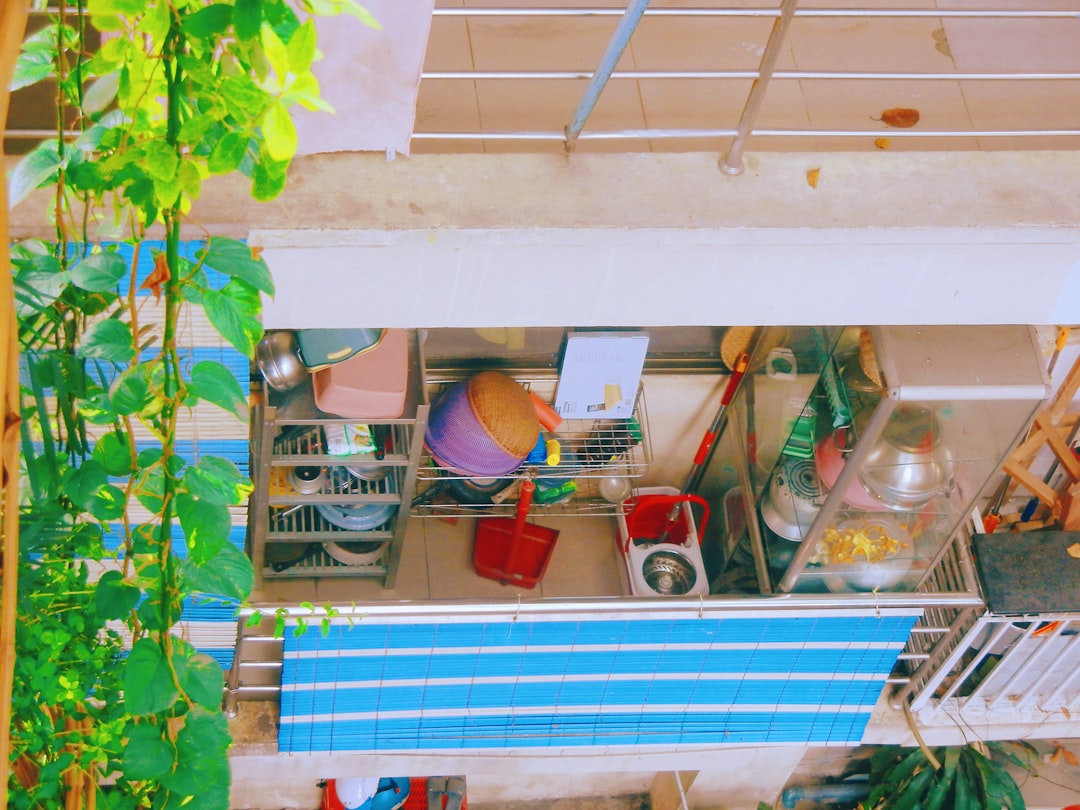
When my family moved into our first apartment, the kitchen was about 60 square feet. The counter space was barely enough for a cutting board, there were exactly four cabinets, and the “pantry” was a single shelf above the refrigerator. I stood in that kitchen on moving day and genuinely wondered how I was going to feed two kids out of this space.
That was three years ago. Since then, I have tested dozens of small kitchen organization ideas, and the ones that actually work all share one thing in common: they use vertical and hidden spaces that most people overlook. If your apartment kitchen storage feels impossibly limited, this list is for you.
According to the National Association of Home Builders, the average kitchen size in new apartments is about 70 square feet. That is roughly half the size of the average single-family home kitchen. Less space doesn’t mean less function. It just means you need smarter systems.
Can You Have an Organized Kitchen in a Small Apartment?
Yes. A small kitchen can be just as functional as a large one when you maximize vertical space, eliminate items you don’t use, and assign every item a permanent home. The key is reducing what you own to what you actually use and storing everything in a way that makes it visible and accessible. I cook full meals daily in a kitchen that has less than 3 feet of usable counter space. The trick is using walls, doors, and creative vertical solutions to expand your storage beyond cabinets and drawers.
1. Go Vertical With Wall-Mounted Storage
In a tiny kitchen, walls are your most valuable unused real estate. Here are the wall storage ideas that made the biggest difference in my apartment:
- Magnetic knife strip ($10-15): Frees up an entire drawer or counter block and keeps knives accessible
- Wall-mounted utensil rail ($12-20): Hang spatulas, ladles, and tongs from S-hooks on a horizontal bar
- Floating shelves ($15-30 per shelf): Open shelves above the counter add storage for spices, oils, and frequently used items
- Pegboard panel ($20-35): The most customizable option. Hang hooks, baskets, and shelves in any configuration
I installed a 24-inch magnetic knife strip and a utensil rail on the wall beside my stove. Together, they freed up one full drawer and eliminated my knife block from the counter. That gave me about 8 extra inches of counter space, which in a small kitchen is significant.
Renter-friendly tip: Command strips and tension-mounted shelves work well if you cannot drill holes. I used heavy-duty Command hooks for my utensil rail for the first year with no issues.
2. Use the Inside of Cabinet Doors
Every cabinet door has unused space on its interior side. Adding small organizers here creates storage that is completely hidden when the door is closed.
Best uses for cabinet door storage:
- Spice rack strips mounted inside the upper cabinet door
- Measuring cup and spoon hooks inside a lower cabinet door
- Lid holder for pot lids that otherwise eat up shelf space
- Small wire baskets for foil, plastic wrap, and storage bags
I mounted a $12 adhesive spice rack inside my upper cabinet door, and it holds 12 spice jars. That cleared an entire shelf for other items. This is one of my favorite apartment kitchen storage solutions because it is invisible from the outside and uses space that would otherwise be completely wasted.
3. Invest in a Rolling Kitchen Cart
If I could recommend only one product for small kitchen organization, it would be a rolling kitchen cart. Mine is about 20 by 30 inches, has a wooden top that doubles as a cutting board, two shelves underneath, and hooks on the sides for towels.
Why a cart works so well:
- It provides extra counter space exactly where you need it
- The shelves hold items that don’t fit in cabinets
- You can roll it out of the way when cooking in a tight space
- It works as a serving station for meals
Cost: $40-80 for a solid cart. Mine cost $55 and has lasted three years.
I keep my cart against the wall between meals, loaded with my most-used cooking oils, a fruit basket, and paper towels. When I am prepping dinner, I roll it next to the counter for extra workspace. It has honestly been the single best purchase for my small kitchen. If you are working with limited cabinet space, you will also want to check out our pantry organization guide for ideas on storing food efficiently.
4. Maximize Cabinet Space With Shelf Risers and Stackable Bins
Most cabinet shelves have 12 to 15 inches of vertical space, but the items on them are only 6 to 8 inches tall. Shelf risers fill that gap by creating a second level inside each cabinet.
Must-have cabinet maximizers:
- Wire shelf risers ($8-12): Create an upper and lower level for plates, bowls, or canned goods
- Stackable bins ($10-15 for a set): Group small items so they don’t get lost in the back
- Lazy Susan turntable ($8-12): Perfect for deep cabinets where items disappear in the back
According to professional organizers, the average kitchen cabinet uses only about 60% of its available space. Shelf risers and organizers help you reclaim that other 40%. I added risers to three cabinets and gained enough room to move items off my counter and out of sight.
5. Clear the Counters Ruthlessly
In a small kitchen, every square inch of counter space matters. My rule is simple: if I don’t use it every single day, it doesn’t live on the counter.
What stays on my counter:
- Coffee maker (used daily)
- Dish soap and sponge (used daily)
- Small cutting board (used daily)
What moved off:
- Toaster (stored in a lower cabinet, pulled out when needed)
- Stand mixer (stored on top of the fridge)
- Paper towel holder (mounted on the wall instead)
- Knife block (replaced with a magnetic wall strip)
Research from the Cornell Food and Brand Lab found that people with cluttered kitchen counters consumed 44% more snacks than those with clear counters. Keeping counters clear isn’t just about space. It actually influences your eating habits. I noticed the same effect in my home. When the counter is clear, I am more likely to cook a proper meal. When it is cluttered, we order takeout.
How Do You Store Pots and Pans in a Tiny Kitchen?
Use a combination of vertical file organizers for lids, nesting for pots and pans that fit inside each other, and wall-mounted hooks or a ceiling rack for your most-used pieces. In my apartment, I keep three nesting pots inside each other in a lower cabinet and hang my two most-used pans on wall hooks beside the stove. Lids stand upright in a wire file organizer. This method stores eight pieces of cookware in the space that previously held three. The secret is treating cookware like books on a shelf rather than plates in a stack.
6. Use Over-the-Fridge and Above-Cabinet Space
The top of the refrigerator and the space above cabinets (if your cabinets don’t reach the ceiling) are perfect for items you use less frequently.
Good candidates for high storage:
- Seasonal serving dishes
- Large baking pans used monthly
- Small appliances used weekly (stand mixer, slow cooker)
- Bulk paper goods
I keep my slow cooker and a large baking sheet on top of my fridge. They are easy to reach when needed but completely out of the way during daily cooking. Use a non-slip liner on the fridge top to keep items from sliding. For storage inside the appliance itself, see our refrigerator organization guide, which pairs especially well with small-kitchen workflows.
7. Downsize Your Kitchen Tools
This is the advice that makes the biggest difference but is hardest to follow. In a small kitchen, you simply cannot own as many items as someone with a full-size kitchen. Downsizing to essentials is not a sacrifice. It is a strategy.
My minimalist kitchen tool list:
- 2 spatulas (one silicone, one metal)
- 2 wooden spoons
- 1 pair of tongs
- 1 whisk
- 1 ladle
- 1 can opener
- 1 vegetable peeler
- 1 set of measuring cups and spoons
- Kitchen shears
That is 11 utensils total. They fit in one drawer with room to spare. I used to own over 30 utensils, and I genuinely don’t miss any of the ones I removed. If you want to declutter your drawers properly, our guide to getting started with decluttering has a great framework.
8. Create Zones Even in a Small Space
Zone-based organization works even when your kitchen is tiny. The concept is the same as in a large kitchen: group items by activity and store them where you use them.
My small kitchen zones:
- Coffee zone (counter corner): Coffee maker, mugs on hooks underneath the cabinet, coffee and filters in the cabinet above
- Cooking zone (near stove): Oils and spices on a floating shelf, utensils on a wall rail, pots and pans in the cabinet below
- Prep zone (main counter): Cutting board, knives on magnetic strip, mixing bowls in the cabinet above
- Cleaning zone (near sink): Soap, sponge, dish rack, cleaning supplies in the cabinet below
Even with only four cabinets, this zone system means I never have to walk across the kitchen to grab what I need. Everything is within arm’s reach of where it gets used. This approach connects well with how we organize closets, too. Our small closet organization guide uses the same zone-based thinking for a different space.
What I Wish I Knew About Small Kitchen Organization
These lessons came from three years of living and cooking in a 60-square-foot kitchen.
Don’t fight the size. Work with it. I spent the first few months trying to make my apartment kitchen function like my previous full-size kitchen. That was a losing battle. Once I accepted the size and designed systems specifically for a small space, everything clicked.
The dish rack matters more than you think. In a small kitchen, a bulky dish rack eats precious counter space. I switched to a slim, over-the-sink drying rack that sits above the basin. It freed up about a square foot of counter space. That one change made daily cooking noticeably more comfortable.
Buy smaller versions of pantry staples. Instead of bulk bags of flour and rice, I buy smaller packages that fit in my limited cabinet space. The cost per ounce is slightly higher, but I waste less food and don’t need extra storage.
Vertical storage beats horizontal storage every time. Store baking sheets on their sides, hang mugs instead of stacking them, file lids instead of stacking them. Going vertical in every possible spot is the single biggest lesson I have learned about tiny kitchen ideas.
Empty space is not wasted space. In a small kitchen, leaving a little breathing room makes the whole space feel calmer and more functional. If a shelf or drawer is packed to bursting, remove items until you can see everything and reach anything easily.
Key Takeaway
Small kitchen organization in apartments is about three core principles: go vertical with wall-mounted storage, clear counters ruthlessly by keeping only daily-use items out, and downsize your tools and supplies to what you actually use. A rolling cart adds flexible counter and storage space, shelf risers maximize cabinet capacity, and cabinet door organizers use hidden space. Even the tiniest apartment kitchen can feel functional and calm when every item has a designated home and you commit to keeping surfaces clear.
For more kitchen organization strategies, explore our kitchen organization hub or tackle your daily cleaning routine to keep your small kitchen spotless with minimal effort.

Frequently Asked Questions
How do you organize a kitchen with very little cabinet space?
Use vertical wall space with mounted shelves, magnetic strips for knives, and hooks for mugs or utensils. Add an over-the-door organizer inside cabinet doors for extra storage. A rolling cart provides portable counter and storage space that tucks away when not in use.
What is the best storage solution for a small apartment kitchen?
A rolling kitchen cart is the single most versatile solution for small apartments. It provides extra counter space, storage shelves, and can be moved wherever you need it. Look for one with a cutting board top, hooks on the sides, and open shelves underneath.
How do you maximize counter space in a small kitchen?
Move items off the counter and onto walls or inside cabinets. Mount a magnetic knife strip, hang utensils from a rail, and store appliances you use less than weekly. Keep only your most-used items on the counter: coffee maker, cutting board, and dish soap.